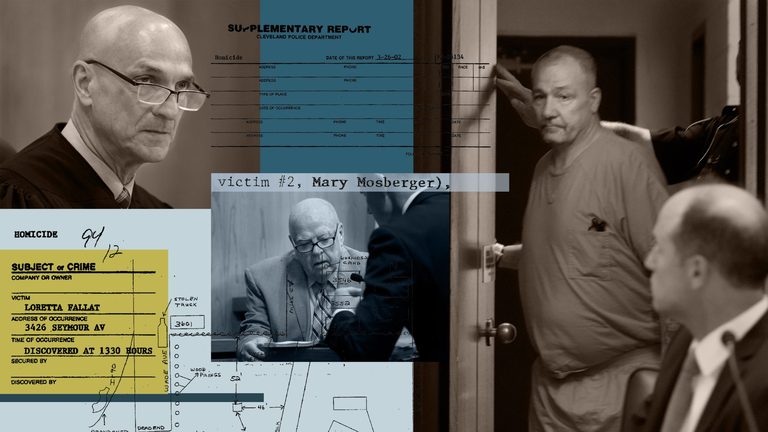
On November 10, a panel of judges from Ohio’s Eighth District Court of Appeals will hear former inmate Terry Ferrell’s request for a new trial in the 1992 murders of sisters Mary Mosberger, 82, and Loretta Fallat, 77. Ferrell, who has spent more than two decades behind bars, argues that crucial evidence was withheld and that new DNA testing shows he was not the perpetrator.
Background of the case
In December 1992, police found the Mosberger and Fallat sisters dead in their Cleveland home. Within days, 21‑year‑old Ferrell was arrested, fingerprinted and questioned, but no physical evidence linked him to the crime. The case went cold until a 12‑year‑old neighbor identified Tim Montgomery, who later testified that he and Ferrell entered the home.
At Ferrell’s 2003 trial, prosecutors relied heavily on a jailhouse informant who later recanted, and on a timeline that placed Ferrell at the scene despite alibi evidence. A jury convicted Ferrell of murder, aggravated burglary and kidnapping, sentencing him to life without parole. Montgomery pleaded guilty to aggravated burglary and served three years.
New evidence and legal battles
After exhausting ordinary appeals in 2006, Ferrell filed motions to preserve evidence. In 2016, a judge appointed new counsel, who secured DNA testing that took eight years due to lab delays and prosecutorial objections. The testing, completed in 2024, showed DNA on the murder weapons did not match Ferrell or the victims.
Ferrell’s attorneys also presented a recanted informant statement, undisclosed police interviews, and evidence of alternative suspects that were never presented at trial. Despite this, Judge John J. Russo denied a new trial in January, prompting the current appeal.
Why Ohio’s system matters
The case underscores longstanding flaws in Ohio’s criminal‑justice process. Until 2010 the state allowed “closed discovery,” where prosecutors could keep witness statements and police reports from defense counsel. Although the Ohio Supreme Court mandated open discovery statewide, more than 1,000 inmates convicted during the closed‑discovery era remain incarcerated.
Judges often dismiss new‑trial requests without fully reviewing the evidence, costing taxpayers millions in wrongful‑imprisonment settlements and leaving victims’ families without closure. Attorney Rachel Troutman of the Exoneration Project notes, “A lot of innocent people get turned away by the court for procedural matters.”
What’s at stake
If the appeals panel grants a new trial, Ferrell could be exonerated, saving the state further settlement costs and restoring faith in Ohio’s justice system. Conversely, a denial would reinforce the status quo, leaving many potentially innocent prisoners without relief.
The outcome will likely reignite calls for the reforms recommended by a 2022 Ohio Supreme Court task force, which urged changes to speed up new‑trial requests and improve evidence disclosure.
Original reporting: Signal Akron — read the source article.