Winter may quiet your yard, but your trees and shrubs still need attention. In Texas, cold snaps, dry soil, strong winds, wildlife, and driveway salt can all damage landscaping. A quick walk around your property now can identify the most vulnerable plants and focus your efforts where they matter most.
Check Soil Moisture Early
Cool weather does not guarantee adequate water. After a dry fall, newly planted trees and shrubs often have roots that are still establishing and may be thirsty. Even evergreens, which keep their foliage through winter, can lose moisture when the ground is frozen and roots cannot absorb water. Before the ground freezes, lift the mulch around the base of each plant and feel the soil. If it feels dry, water gently, taking care not to over‑saturate the area.
Apply Mulch Correctly
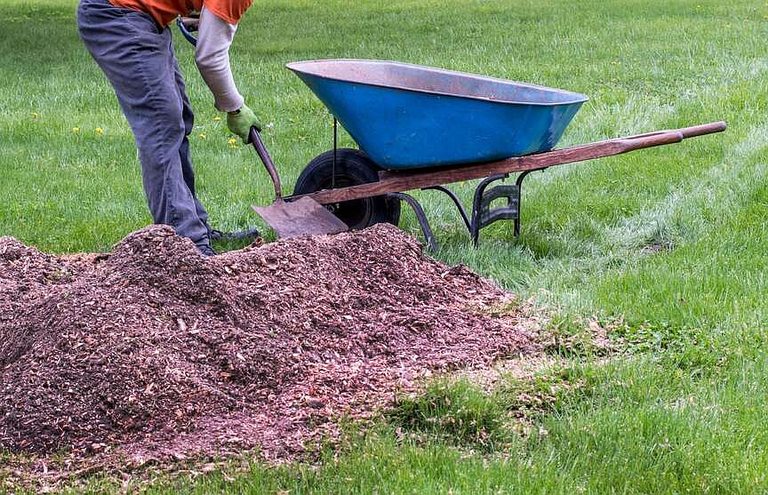
Mulch helps retain moisture and moderates soil temperature, but too much can suffocate roots. Aim for a 2‑ to 3‑inch layer and keep it a few inches away from trunks and stems. If mulch has built up against a tree like a volcano, pull it back. Proper mulching protects roots without burying the base of the plant.
Shield Against Wind
Evergreens planted near open driveways or exposed ridges may suffer from harsh winter winds. A burlap barrier can reduce wind desiccation, but it is not necessary for every shrub. Consult a local landscaping professional or your county’s cooperative extension office to determine whether a wind barrier is appropriate and how to install it safely.
Guard Against Hungry Wildlife
Rabbits, rodents, and deer often turn to bark, twigs, and foliage when other food sources are scarce. Look for bite marks on young trees and consider installing a tree guard or protective fence that allows room for growth and accommodates snow depth. Check these protections regularly throughout the season.
Manage Snow and Salt
When you clear snow, avoid piling it onto planting beds. Heavy shoveled snow can crush delicate shrubs. Designate a clear area for snow removal away from vulnerable plants, and keep de‑icing salt as far from beds as possible. Salt spray and runoff can burn foliage and damage roots.
Prune Wisely
Resist the urge to prune shrubs simply for a tidy look before winter. Pruning at the wrong time can remove buds that would produce next spring’s flowers. If you are unsure, photograph the plant and ask a local expert for guidance. Any broken or hazardous limbs should be evaluated by a professional, especially if they are near your home or utility lines.
Work With Professionals
When hiring a landscaper, provide a clear plan: note which plants are newly planted, where you have seen previous damage, and which areas receive the most wind or snow. This information helps the contractor recommend targeted protection measures and tells you what you can handle yourself.
Focus on Targeted Actions
You do not need to wrap every shrub or mulch every bed. By concentrating on a few key steps—checking moisture, applying the right amount of mulch, protecting against wind and wildlife, and managing snow and salt—you can safeguard your landscaping investment through the winter months. For personalized advice, Angi offers a free consultation to help you develop a winter‑ready plan for your yard.
Original reporting: Texarkana Gazette — read the source article.