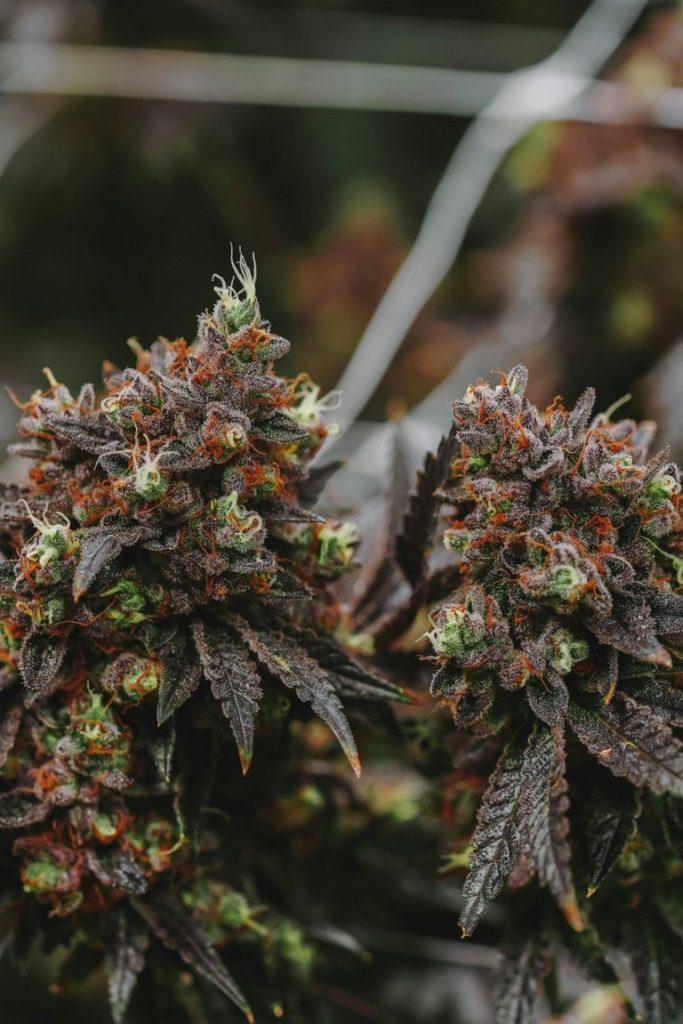
Recent election results in Texas have created a rare opening for a policy debate that has lingered for years. Both Lt. Gov. Dan Patrick and Gov. Greg Abbott were defeated, and the incoming officials now face pressure from a growing coalition of business leaders, faith‑based groups, and ordinary Texans who see regulated marijuana as a practical, revenue‑generating solution.
Why the Conversation Matters Locally
Texans have already shown a willingness to expand personal‑choice markets. In 2009, Lubbock voters approved the sale of packaged beer, wine, and liquor in grocery stores, a change that simply added convenience without reshaping the community’s character. Proponents of cannabis legalization argue that a similar approach would allow adults to purchase a product they already use, while keeping it out of the hands of children.
Economic Potential Highlighted by Independent Analyses
The Tax Foundation’s 2023 study estimated that Texas could collect roughly $492 million in annual cannabis taxes. A 2020 projection from the law firm Vicente Sederberg placed the figure closer to $555 million and projected between 20,000 and 40,000 direct jobs in the industry. Both reports also noted possible savings from ending low‑level marijuana arrests and prosecutions.
While these numbers are projections, they illustrate a clear fiscal opportunity. If lawmakers set a tax rate that allows legitimate businesses to compete with the illegal market, the state could channel new revenue into schools, roads, health care, or treatment programs—areas that have long needed additional funding.
Public Safety and Community Benefits
Legalization would not eliminate marijuana use, but it would shift sales from an unregulated black market to a system where products are tested, age limits are enforced, and businesses are licensed. This framework gives law‑enforcement agencies a tool to focus on serious crimes rather than low‑level possession cases, and it provides a legal avenue for Texas farmers and entrepreneurs to participate in a regulated industry.
What Advocates Want From the Legislature
Supporters outline a straightforward plan: issue licenses to qualified businesses, require laboratory testing of all products, set a tax rate that keeps legal sales competitive, and enforce strict age‑verification rules to keep cannabis away from minors. They also recommend earmarking a portion of the tax revenue for treatment and education programs, acknowledging that responsible use must be paired with public‑health safeguards.
Balancing Concerns
Critics, including some public‑health groups, warn that increased availability could lead to higher rates of misuse. They argue that any legalization effort must include robust education campaigns and strict penalties for impaired driving. While these concerns are valid, the same groups acknowledge that prohibition has failed to curb use and has burdened the criminal‑justice system with costly, low‑level arrests.
By addressing these objections head‑on—through testing standards, age restrictions, and clear penalties for impaired driving—legislators can craft a policy that protects families while unlocking economic benefits.
Next Steps
The window opened by the recent elections will not stay open indefinitely. Advocates urge the new administration and the Texas Legislature to move quickly, drafting and passing comprehensive cannabis legislation before the next session ends. As one local business owner put it, “Do it for Willie,” a nod to the everyday Texan who could benefit from jobs, tax relief, and a more sensible approach to personal choice.
In a state that values personal liberty, family stability, and responsible governance, a regulated marijuana market could align with core Texas principles—provided it is implemented with care and oversight.
Original reporting: News/Talk 790 KFYO (Lubbock) — read the source article.