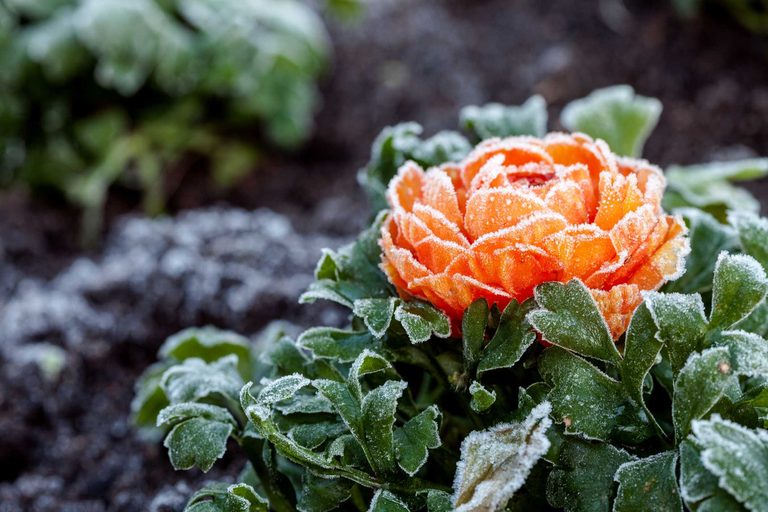
With the first frosts arriving across Arkansas, local gardeners are being reminded that winter care is essential for a healthy garden come spring. Darrell Pothorst, the nursery manager at TLC Garden Center, shared practical steps that homeowners can take now to safeguard their plants against the chill.
Keep watering through the cold
Many gardeners assume watering can stop once the temperature drops below freezing, but experts say consistent moisture helps roots stay active and reduces winter stress. “Even in winter, plants need water,” Pothorst explained. “A steady supply prevents the soil from becoming overly dry, which can damage roots when the ground thaws.” He recommends watering on milder days and reducing frequency only when the ground is solidly frozen.
Add mulch for insulation
Mulch acts as a blanket for garden beds, trapping heat and protecting roots from sudden temperature swings. A 2‑ to 4‑inch layer of shredded bark, straw or leaf mold is sufficient to keep the soil temperature more stable. “Mulch not only insulates, it also conserves moisture, which is a double benefit during the winter months,” Pothorst noted.
Fall fertilization sets the stage for spring
Fall is a prime time to feed perennial beds, shrubs and established trees. “Fertilizing in the fall provides nutrients that plants can store over the winter,” said Pothorst. He advises using a balanced, slow‑release fertilizer that contains nitrogen, phosphorus and potassium. This helps plants develop stronger root systems, leading to more vigorous growth when temperatures rise again.
Plan next year’s garden now
Winter is also an ideal moment to think ahead. Pothorst suggests reviewing which plants performed well this year and which struggled, then making a planting list for the upcoming growing season. By ordering seeds and seedlings early, gardeners can take advantage of early‑season sales and ensure they have the varieties they want before the spring rush.
Pruning can wait
While some pruning is necessary in late summer, most dormant plants should be left untouched until late winter or early spring. Pruning too early can expose tender branches to frost damage. “Let the plants rest through the cold, then prune when you see new growth emerging,” Pothorst advised.
By following these simple steps—maintaining winter watering, mulching beds, applying fall fertilizer, planning ahead and postponing major pruning—Arkansas gardeners can protect their landscapes from freezing temperatures and look forward to a vibrant spring garden.
Original reporting: 40/29 News KHBS Fort Smith (local) — read the source article.