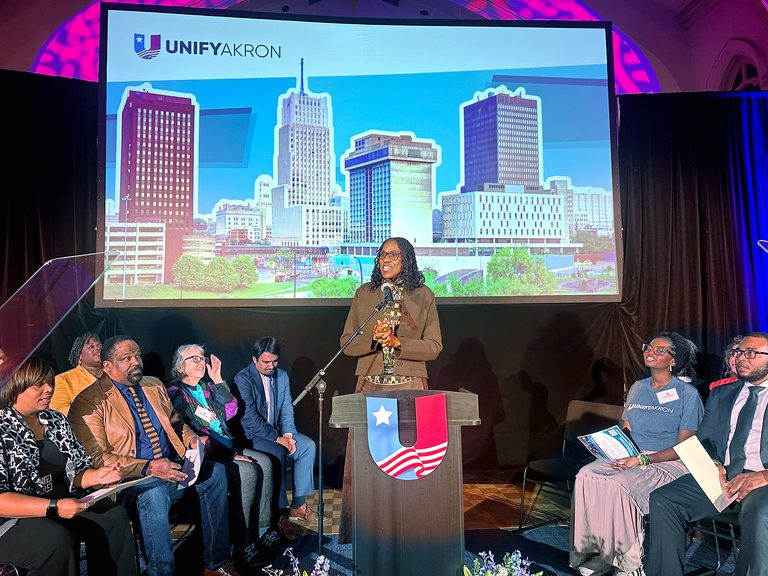
Akron Mayor Shammas Malik used Thursday’s Unify Akron progress‑report event to outline concrete steps the city is taking to advance the nine housing recommendations presented by the civic‑assembly group in May. The gathering, held at The Well CDC in the Middlebury neighborhood, featured city officials, Unify Akron delegates and community members.
Key actions moving toward 2027
Malik highlighted three specific initiatives that line up with the group’s proposals:
- A new housing docket in Akron Municipal Court will launch in the first quarter of 2027, focusing on evictions, landlord‑tenant disputes, unsafe living conditions and other housing‑related cases.
- The 2027 city operating budget will fund a dedicated magistrate position to oversee the housing docket.
- Funding for code‑enforcement improvements, problem‑property remediation and overall housing quality will be incorporated into the 2027 budget.
“We believe that everything in this recommendation can become a part of our city,” Malik said, emphasizing the administration’s commitment to fair and safe housing for all residents.
Judicial support and community response
Administrative/Presiding Judge David Hamilton, who has been working with the city to set up the docket, affirmed the effort: “We’ve heard you, and we’re taking the charge to make this a better community for the litigants that come through Akron Municipal Court.”
Mayor Malik added, “We want to give people hope. We want to give people opportunities for better housing, for fair housing.” He noted that the combined actions will strengthen code enforcement, address problem properties and improve neighborhood quality.
Unify Akron’s recommendations
All nine recommendations were accepted except No. 8, which calls for repair loans for local homeowners. The city is still exploring a sustainable home‑repair assistance program before making a final decision.
Unify Akron, a nonprofit that convenes civic assemblies, randomly selected 65 residents—referred to as delegates—to discuss housing challenges. Over several months, delegates heard diverse viewpoints, debated solutions and voted on proposals. Successful measures received at least two‑thirds support, with 93 % (56 of 60) of the voting cohort endorsing the accepted recommendations.
Two proposals did not meet the threshold: hiring additional housing inspectors and creating a dedicated fund for building and preserving homes. Delegates cited concerns about funding methodology, including questions of who would be taxed and why, as the primary obstacle.
Voices from the floor
Delegate Kevin “Smitty” Smith warned that many reports end up on a shelf, but he believes this effort will be different. “Tonight, we’re going to get our answers,” he said.
Wendy Duke reminded the audience of the process and expressed optimism that the collaborative model would produce tangible results.
Looking ahead
Carla Chapman, managing director of Unify Akron, said the organization will continue gathering input through listening sessions, one‑on‑one conversations and an online submission forum over the next two years. A follow‑up progress report is scheduled for next spring, with another community update planned for the following year.
“It is rare residents and city leaders are on the same stage,” Chapman noted. “Starting from a shared goal and being honest about what’s working and what’s not working yet, and then what comes next—that’s not politics; that’s real collaboration, and that’s the kind of democracy we need in Akron and in our country.”
Original reporting: Signal Akron — read the source article.