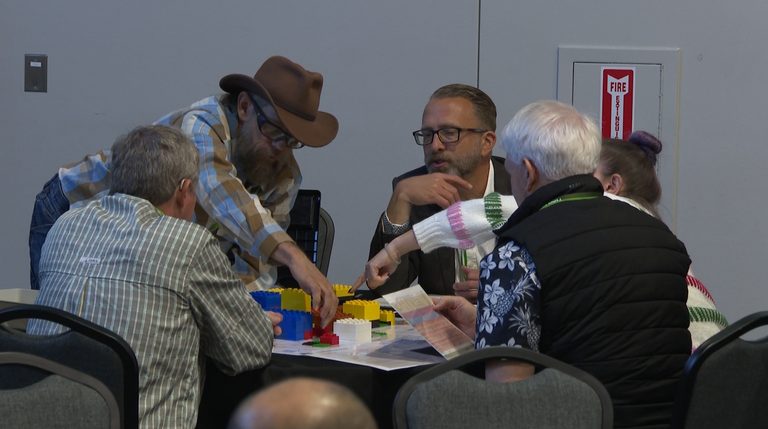
At the Urban Land Institute’s Place Summit in Fayetteville, planning officials from Northwest Arkansas stepped into the shoes of developers for a live‑action simulation. The exercise asked participants to balance the need for new housing, commercial space and parks while keeping a project financially viable.
Simulation format
Teams of city and county officials were divided into mock development companies. Each group crafted a development plan, then presented it to a simulated city council composed of local development professionals. The goal was to experience the trade‑offs developers face before a proposal reaches a real council for approval.
Officials’ takeaways
Jessica Lewallen, program director for Plan Local at the Urban Land Institute Northwest Arkansas, said the game gave planners a firsthand look at the challenges developers encounter. “Each team is a development company, so the city officials are acting as developers,” Lewallen explained. “Later, each team will present their design solution to a ‘city council’ made up of local development professionals.”
Fayetteville Planning Commission member Mary Madden highlighted how even minor adjustments can tip a project’s financial outlook. “Understanding how minor tweaks of a project can completely change whether or not the finances will work,” Madden said, calling the experience “interesting.”
Community relevance
Democrat State Representative‑elect Dan Holtmeyer, soon to represent District 15, noted that housing options remain a top concern for constituents. “Housing is always right up there at the top. And people want more choices, more options, housing that meets all their different sorts of living situations,” he said.
Lewallen hopes the simulation will foster stronger relationships between officials and developers. “If we have strong relationships, if we have empathy and understanding of what’s happening with different people in different roles, then it just helps things to be more smooth, more pleasant, more predictable,” she said.
The exercise did not approve any real development project, but organizers believe it will help participants better understand the financial and community trade‑offs that shape what gets built in Northwest Arkansas.
Original reporting: 40/29 News KHBS Fort Smith (local) — read the source article.