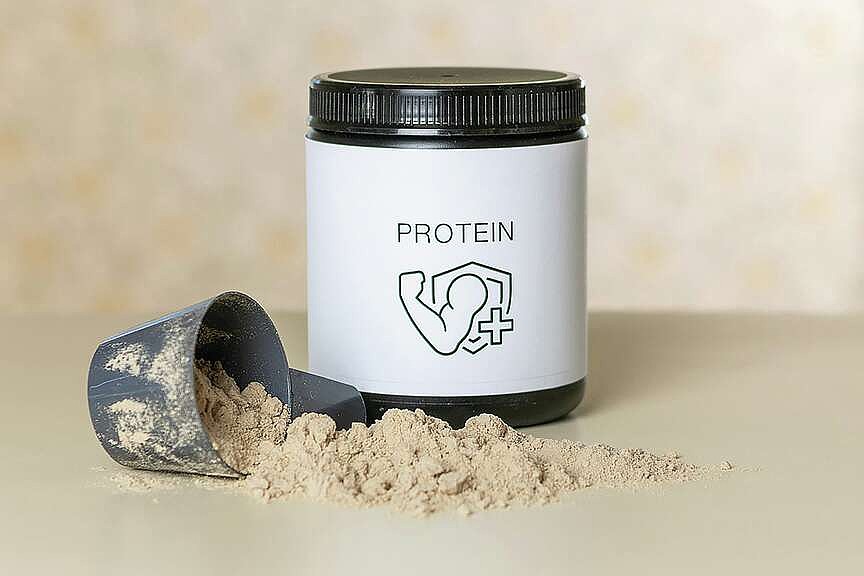
In recent years, protein has become a prominent feature in many American diets, with products like cereal and coffee drinks now infused with this essential nutrient. The Trump administration’s updated food pyramid highlights protein-rich foods such as steak, chicken, and cheese. However, experts caution that consuming excessive amounts of protein can lead to health risks.
Heart Disease and Type 2 Diabetes
Most Americans derive their protein from animal products, which can increase the risk of heart disease and Type 2 diabetes. A 2021 study by the Department of Agriculture found that animal foods account for nearly 70% of protein consumption in the U.S. Research indicates that high consumption of red and processed meats is linked to increased risks of these diseases due to their saturated fat content, which raises LDL cholesterol levels and may lead to inflammation and insulin resistance.
Cancer Risks
Excessive intake of red and processed meats is also associated with a higher risk of cancer, particularly colorectal cancer. A 2024 study found that diets high in red meat increased the risk of colorectal cancer by 30%, while processed meats increased it by 40%. Experts recommend plant-based proteins and lean meats as healthier alternatives.
Digestive Concerns
Focusing too heavily on protein can lead to neglecting high-fiber foods like vegetables and whole grains, resulting in digestive issues such as constipation. Fiber is crucial for maintaining a healthy gut microbiome and regular bowel movements. Nutritionists suggest balanced meals with equal portions of vegetables, protein, and whole grains.
Weight Gain
While high-protein diets are popular for weight loss and muscle gain, they can lead to weight gain if not paired with sufficient exercise. Excess calories from protein are stored as fat, and protein-rich foods often have more calories than vegetables.
Kidney Health
For individuals with chronic kidney disease, high protein intake can further strain the kidneys. Additionally, consuming too much animal protein may increase the risk of kidney stones, though adequate water intake can mitigate this risk.
Original reporting: Texarkana Gazette — read the source article.