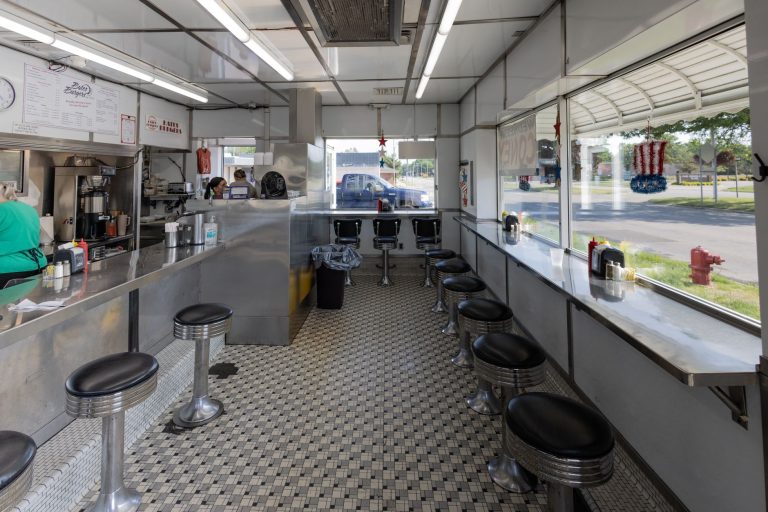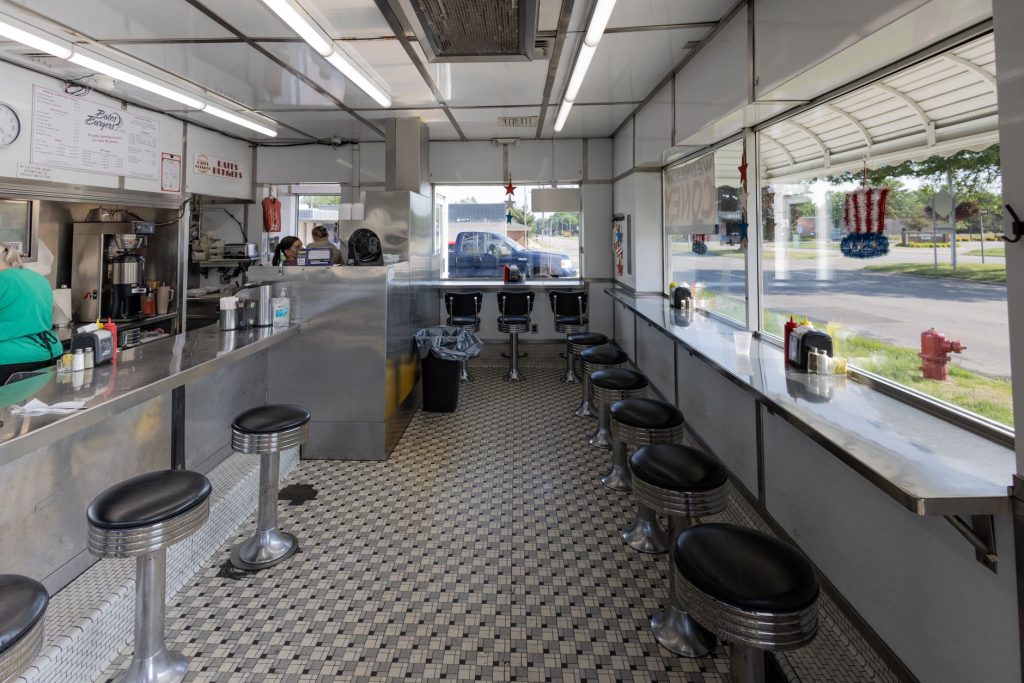
The sign outside is hand-painted. That’s not an aesthetic choice — it’s just how it’s always been. Ursula’s Kitchen, a small Polish-American lunch counter on Wilson Avenue in Kenosha’s near-north side, has been feeding the neighborhood since 1987, when Ursula Kowalczyk opened it after spending her first decade in the U.S. working other people’s kitchens. The restaurant seats maybe 28 people on a good day, and on Fridays it runs out of the stuffed cabbage by 1 p.m.
That’s the first reason to go: the food is built around Polish home cooking done without shortcuts. The gołąbki — ground pork and rice wrapped tight in cabbage leaves, braised low in tomato sauce — takes three hours to make each morning. The pierogi are rolled and folded in-house, not pulled from a bag. The beet soup is poured clear and deep red into white bowls. None of this is theatrical. It’s just how the recipes run. Lunch plates run $9 to $14, and the portions are sized for people who actually work for a living.
The second reason is the rhythm of the place. Ursula’s doesn’t have a full dinner service. It opens at 7 a.m. for breakfast — eggs, kielbasa, rye toast — and closes most days by 3. That compressed schedule keeps the kitchen focused. The breakfast regulars are mostly tradespeople and older residents from the surrounding blocks. By 11:30, the lunch crowd fills in: a mix of Polish-born retirees, teachers from the nearby school, and a rotating cast of people who discovered the place through word of mouth and now show up weekly. You will not be in a hurry here. The pace is slow, the tables are close together, and the staff knows most people by name.
Third: the neighborhood itself is worth a few minutes of attention. Wilson Avenue doesn’t get much coverage in the city’s promotional material, but the blocks around Ursula’s are dense with working-class Polish history — a few old social clubs, a Catholic church with a Polish-language mass on Sundays, a butcher shop two blocks south that stocks smoked meats you can’t find at a chain grocery. Ursula’s sits inside all of that, not as a museum piece but as a functioning part of it.
A word on logistics: cash is preferred, though cards are accepted. Parking is on-street and usually available. The menu changes slightly by season and by what’s available; in late summer, cucumber salad with dill cream dressing appears as a side, and it’s worth ordering. If you come on a Friday, arrive before noon. The stuffed cabbage warning is real.
Ursula herself still comes in most mornings, though her daughter handles the floor. She’s not performing tradition for visitors — she’s just running a restaurant that happens to have been open for nearly four decades. That’s a different thing, and it shows in every plate that comes out of the kitchen.