MINOT, N.D. – The story of the famed freighter S.S. Edmund Fitzgerald continues to shape lives more than five decades after it sank. Bill Peterson, who has led the State Historical Society of North Dakota since 2020, recalls how a chance discovery on a Michigan beach as a teenager sparked a lifelong passion for maritime history.
A Summer Find That Changed Everything
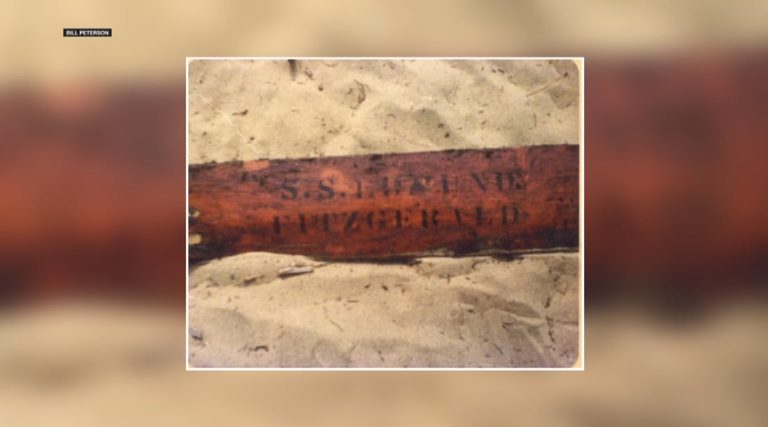
In August 1976, while picnicking near Whitefish Point, Peterson and his cousin Mason Hall uncovered a greasy, oil‑stained board on driftwood. Scraping away the residue revealed the name “S.S. Edmund Fitzgerald” etched beneath. The board turned out to be a lifeboat oar from the ill‑fated vessel, and another cousin, Evelyn, later found an emergency light from one of the ship’s lifeboats.
Peterson kept the oar for years, displaying it as a show‑and‑tell piece in his hometown. The find prompted endless questions to local ship‑wreck historians and eventually guided his doctoral research on the United States Life‑Saving Service, the predecessor of the modern Coast Guard.
From Great Lakes to the Great Plains
“It shaped my career. It shaped my education. That’s how I met my wife,” Peterson said, reflecting on how the artifact influenced both his professional and personal life. After completing his studies, he moved to North Dakota, where his expertise in maritime archaeology found a new outlet.
Since taking the helm of the State Historical Society, Peterson has overseen projects that connect North Dakota’s own riverine heritage to broader historic narratives. In the fall of 2023, low water on the Missouri River exposed part of the Abner O’Neal, a steamboat that sank in 1892 while hauling wheat from Washburn to Mandan. Working with state archaeologists, Peterson helped deploy a drone to map the exposed wreck, adding another chapter to the region’s rich transportation history.
Preserving the Legacy
Both the oar and the emergency light are now housed at the Great Lakes Shipwreck Museum at Whitefish Point, near the site where they were found. The museum also displays the original bell recovered from the Edmund Fitzgerald wreck in 1995, a tribute to the 29 crew members who perished.
Peterson’s story underscores how a single artifact can inspire a generation of scholars and preserve the memory of those lost at sea. His work continues to bring attention to the importance of safeguarding historic artifacts, whether they rest on a lake bottom or emerge from a riverbank.
Looking Ahead
As director, Peterson plans to expand public outreach programs that link North Dakota’s own river history with the broader Great Lakes narrative. By highlighting the interconnectedness of America’s waterways, he hopes to foster a deeper appreciation for the nation’s maritime heritage among students, families, and history enthusiasts across the state.
Original reporting: KFYR-TV Bismarck (news) — read the source article.