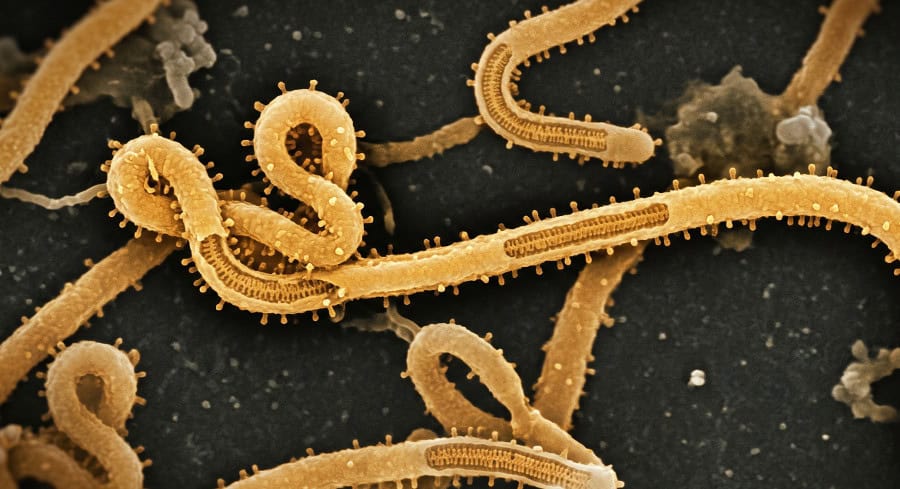
The United States is intensifying its efforts to combat the ongoing Ebola outbreak in Africa, with the Department of State announcing an additional $38 million in funding. This contribution makes the U.S. the largest single donor in the fight against the virus, working closely with the Centers for Disease Control and Prevention (CDC) and the governments of the Democratic Republic of the Congo (DRC) and Uganda.
Comprehensive Support Efforts
This latest funding brings the State Department’s direct financial support for the crisis to over $200 million, supplementing a $350 million package for Ebola and humanitarian aid in the DRC, Uganda, and South Sudan. These efforts are part of a broader $1.8 billion contribution to the United Nations Office for the Coordination of Humanitarian Affairs (UN OCHA) earlier this year.
American officials emphasize that their primary goal is to protect the health of U.S. citizens and prevent the Ebola outbreak from reaching American shores. To this end, the State Department and CDC have established a voluntary evacuation process for U.S. citizens in the DRC, Uganda, or South Sudan who may have been exposed to the virus. Those opting for evacuation will undergo standard health screenings and adhere to travel restrictions.
On-the-Ground Initiatives
In Africa, U.S. funds are supporting a wide range of emergency operations, including contact tracing, border checkpoint management, and infrastructure upgrades. In the DRC, organizations like the International Organization for Migration (IOM) and UNICEF are providing essential equipment such as temperature scanners and sanitation supplies to high-risk areas. The IOM is also enhancing airport infrastructure to aid local medical professionals in tracking the virus.
In Uganda, the IOM has deployed over 100 screeners and data clerks across multiple border crossings. Meanwhile, World Vision has reached over 400,000 people in the DRC through educational campaigns on virus transmission, training 400 community volunteers in the process. Momentum Integrated Health Resilience is educating over 1,500 individuals, including teachers and religious leaders, on virus detection and prevention.
Specific Projects and Initiatives
Several targeted projects are receiving U.S. support, such as the deployment of advanced diagnostic testing equipment by FHI 360 in Mongbwalu, DRC, and the training of 125 front-line workers by the International Medical Corps (IMC) to identify symptoms and manage patient isolation. Additionally, U.S. partners are ensuring safe and dignified burials for deceased patients, a crucial step in halting the virus’s spread.
The World Food Program is also utilizing U.S. funds to provide daily meals to patients, caregivers, and medical staff in isolation within DRC treatment centers, ensuring that those affected by the outbreak receive necessary nutritional support.
Original reporting: Tampa Free Press — read the source article.