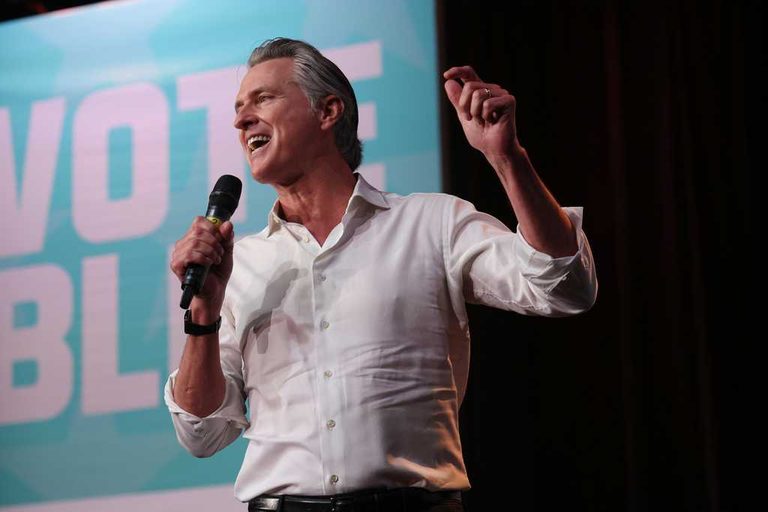
California voters turned down Proposition 40, a ballot measure that would have imposed a one‑time 5% tax on the net worth of Californians whose assets exceed $1 billion. The vote, held on Nov. 3, reflects a decisive win for Governor Gavin Newsom and other Democratic leaders who opposed the tax.
Spending Gap Determines Outcome
The “no” campaign outspent the “yes” side by roughly ten to one. Tech billionaire Sergey Brin contributed more than $100 million to a political action committee dedicated to defeating the measure, and the broader opposition coalition raised over $333 million, with a substantial portion coming from Brin and other wealthy donors.
What the Tax Would Have Funded
Proposition 40 proposed that most of the revenue be used to replace federal healthcare funding cuts, while 10% would have been earmarked for education and food‑assistance programs. The SEIU United Healthcare Workers West, a supporter of the tax, argued that the state faces an estimated $100 billion shortfall in federal healthcare dollars over the next five years.
Critics Warn of Economic Harm
Opponents, including Governor Newsom, warned that the wealth tax could drive ultra‑wealthy taxpayers out of California, harming the state’s economy. They pointed to statements from billionaires such as Larry Page, who began moving assets out of state, and Mark Zuckerberg, who said he would stay for eight years only after negotiating a deal with Meta to address the tax without losing ownership stakes.
National Attention and Political Context
The measure attracted national attention, with progressive leaders like Sen. Bernie Sanders campaigning across the state to urge a “yes” vote. However, Newsom praised Sanders’ focus on wealth inequality while emphasizing a fundamental disagreement on the California tax, noting his support for a national minimum tax on individuals with net worth above $100 million instead.
Local Impact and Future Outlook
While the defeat of Proposition 40 means the proposed revenue stream will not materialize, the debate highlights ongoing tensions over how to fund public services without raising taxes on the middle class. State officials will continue to explore alternative financing options to address the looming shortfall in healthcare and education funding.
For voters who opposed the measure, the result underscores the influence of well‑funded campaigns in shaping policy outcomes. As California looks ahead to future budget challenges, the conversation about fair taxation of the ultra‑rich is likely to persist.
Original reporting: 40/29 / KHBS (NW Arkansas) — read the source article.