During an Oct. 20 Scottsdale City Council meeting, the city’s interim water director Thyra Ryden‑Diaz presented a slide deck titled “Scottsdale Water Resources Present and Future.” The presentation showed a “Water Deliveries 2021‑25” chart with five columns of roughly equal height, and Ryden‑Diaz noted that the city’s population grew slightly from 2021 to 2025 while water deliveries decreased slightly.
Mayor Lisa Borowsky immediately called the presentation “misleading,” citing a stark contrast with a July 28 Designation of Assured Water Supply (DAWS) application signed by City Manager Greg Caton and filed with the Arizona Department of Water Resources. The DAWS application projects an estimated water demand increase of 9 percent from 2024 to 2025 and a total demand of 109,999 acre‑feet by 2036—a 22 percent rise that was absent from the council slides.
“I am concerned with the significant discrepancy between the water supply delivery projections and the city’s application,” Borowsky said, urging Caton to clarify the differences. She emphasized that “water is a critical issue for Scottsdale and residents should be able to easily understand our water needs today and into the future.”
The presentation also warned of a potential 17 percent cut in Colorado River water delivered via the Central Arizona Project (CAP). In contrast, the DAWS application assumes a “water direct delivery” from CAP of 77,965 acre‑feet per year for the next 100 years—more than half of the projected 13.8 million acre‑feet total 100‑year volume. Scottsdale Water spokesman Bryan Bouchard explained that those figures were calculated without factoring possible Colorado River reductions, noting that the post‑2026 operating framework had not been finalized when the application was prepared.
Ryden‑Diaz highlighted that Scottsdale holds an “assured water supply” of 141,341 acre‑feet, a designation that expires this year. She noted the city typically uses about 82,000 acre‑feet annually, leaving roughly 58,000 acre‑feet in reserve. Councilwoman Jan Dubauskas asked for confirmation, receiving a “yes” and describing the reserve as a “surplus.”
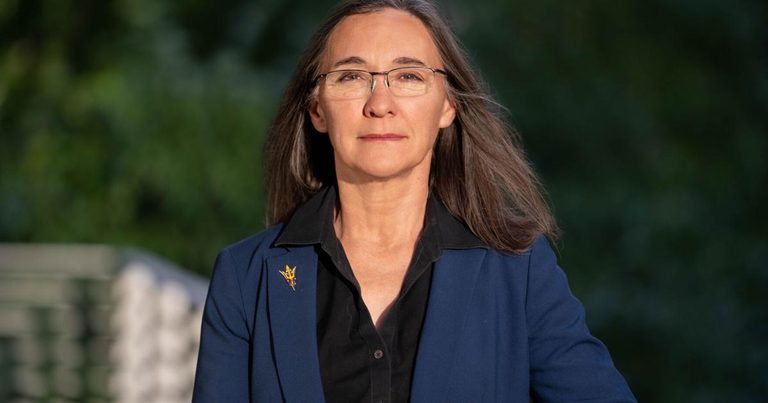
Sarah Porter, director of Arizona State University’s Kyl Center for Water Policy, disputed the “surplus” label, explaining that an assured water supply is not a guarantee of availability. “The designation is a determination that Scottsdale can meet a 100‑year demand of that amount, but it is subject to the limitations of each water source,” Porter said. She warned that the Colorado River, which supplies more than two‑thirds of Scottsdale’s water, remains vulnerable to severe cuts if snowpack in the Upper Rockies is poor. “If we have a terrible snowpack… we could get to a ‘run‑of‑river’ situation where there is no more access to stored water,” she cautioned.
Mayor Borowsky has asked City Manager Caton to correct the record and provide a clear, consistent outlook on Scottsdale’s water future. Residents are awaiting that clarification as the city prepares for the upcoming redesignation of its assured water supply later this year.
Sources: scottsdale.org