Orlando residents will feel the impact of Florida’s newly approved Amendment 3, which reduces homestead property‑tax exemptions, as the city prepares for an estimated $60 million loss in revenue when the cuts are fully phased in by 2028. The Orlando Sentinel, citing Florida TaxWatch data, says the shortfall represents about 7.6% of Orlando’s general revenues, a significant hit for a municipality that relies on property taxes, sales taxes and other business‑related levies to fund services such as police, fire, parks and public works.
Mayor Buddy Dyer responded by announcing a hiring freeze and moving surplus savings from the prior fiscal year into a “stabilization fund” to cushion the budget shortfall. “We are taking prudent steps now to protect essential services while we assess the full impact of Amendment 3,” Dyer said, according to the Sentinel.
The amendment phases in a $150,000 homestead exemption in 2027, rising to $250,000 in 2028, and applies only to residential property taxes, leaving commercial and industrial taxes untouched. While Orlando’s diversified tax base softens the blow compared with smaller, more residential‑heavy communities, the loss still dwarfs the $2 million hit projected for neighboring Belle Isle, which would lose about 19% of its general fund.
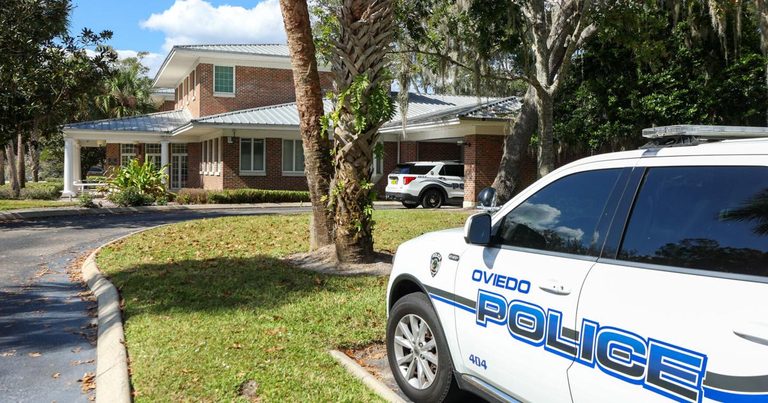
Other Central Florida jurisdictions are bracing for similar challenges. Howey‑in‑the‑Hills expects a $936,752 loss—22.5% of its roughly $4.2 million general fund—in 2028, and Oviedo projects a $10.4 million shortfall—nearly 23% of its roughly $46 million current budget. Seminole County Sheriff Dennis Lemma warned of a potential 300‑position cut due to reduced county funding.
City officials are already weighing options to offset the deficit. Mayor Dyer’s hiring freeze is intended to limit new payroll obligations, while the stabilization fund provides a financial buffer for unforeseen expenses. The city has not yet announced specific service cuts or tax‑rate adjustments, but the administration has indicated that any further measures will be considered only after a full review of the amendment’s impact.
What’s next: Orlando’s fiscal officers will present a detailed budget amendment to the City Council in the coming weeks, outlining any additional cost‑saving measures or revenue‑generation strategies. Residents are invited to attend the public hearing to share input on how to best manage the projected $60 million shortfall.
Sources: hanfordsentinel.com