Connecticut’s transportation agency is rolling out a mixed bag of progress and setbacks as it works to modernize the state’s rail network. Recent announcements highlight new station construction, sizable capital investments, and fleet expansions, but also expose ongoing service gaps and delayed projects that have frustrated commuters.
New stations and infrastructure upgrades
A brand‑new train station has opened in Windsor Locks, and a second station is under construction in Enfield—finally moving forward after a 26‑year recommendation. The Waterbury line will also see a new station in Naugatuck once the line reopens in May 2027 for major upgrades.
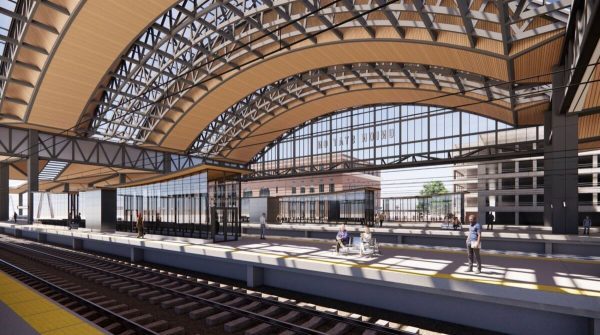
Inside New Haven’s historic Union Station, renovations are underway, including a new bar for travelers. A proposed large roof‑like train shed remains an unfunded design, but the visual concept has been shared with the public.
The state has earmarked roughly $340 million over nine years to rebuild three miles of track between Bridgeport and Stratford, a cost of about $113 million per mile. In parallel, the New Haven line speed‑enhancement program carries a $1.6 billion budget over the same period.
The Special Transportation Fund is projected to close fiscal year 2027 with a $209 million surplus, even as two fare increases are slated for that year.
Fleet expansion and ridership recovery
Sixty new railcars from Alstom are expected to begin testing later this year, bolstering the state’s rolling stock. Metro‑North ridership has rebounded to roughly 90 percent of pre‑COVID levels, with weekend numbers exceeding those figures, and on‑time performance hovering near 98 percent thanks to padded schedules.
Service challenges and cost concerns
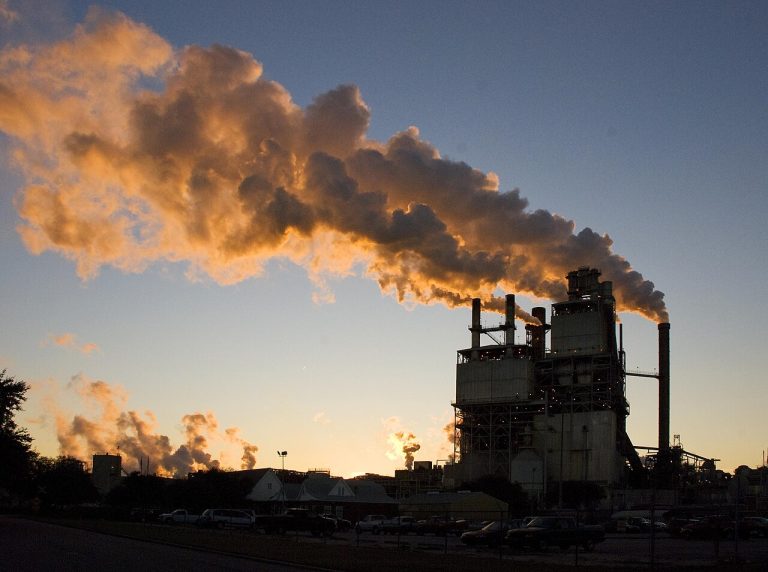
Shore Line East has yet to return to its pre‑2020 ridership levels. The Department of Transportation has reverted to diesel locomotives rather than paying Amtrak for electric overhead wire usage, reintroducing diesel emissions on a line that was previously all‑electric.
Commuter‑rail fares have risen 10 percent in the past ten months, a burden that falls on riders as the state continues to under‑fund its train operations.
Amtrak and Metro‑North remain at odds over scheduling and track usage, creating ongoing uncertainty for passengers.
Project delays and unfinished plans
The $1 billion Walk rail‑bridge replacement in Norwalk, originally promised for completion in 2029, is now expected to finish in 2031. Meanwhile, Governor Ned Lamont’s 2019 “30‑30‑30” pledge—30‑minute rides between Hartford, New Haven, Stamford and New York City—has not been met; travel times are now 45 minutes, 65 minutes and 58 minutes respectively.
Several long‑standing projects remain in limbo: a 20‑year plan to rebuild the Hartford viaduct on I‑84 has been shelved for another study; an interchange between the Merritt Parkway and Route 7 in Norwalk is slated to restart in late 2027; the electrification study for the Hartford, Waterbury and Danbury lines, due in 2025, has not been completed; and the West Hartford station on the Hartford line is only 30 percent designed and lacks funding.
Looking ahead
Connecticut’s transit authorities continue to balance ambitious infrastructure goals with fiscal realities. While new stations and track upgrades signal forward momentum, persistent fare hikes, diesel service re‑introductions, and delayed projects remind commuters that much work remains before the state’s rail system can fully deliver on its promises.
Original reporting: The Connecticut Mirror — read the source article.