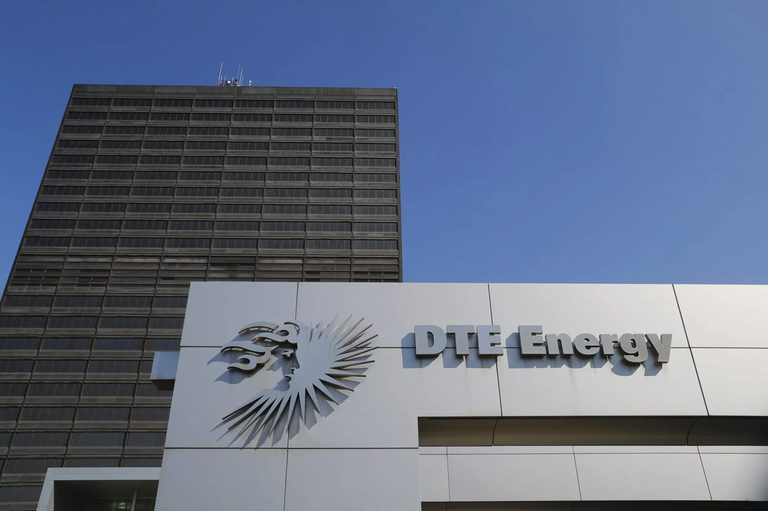
Detroit – Two days after Michigan voters overwhelmingly approved Proposal 2, the state’s two largest utilities, DTE Energy and Consumers Energy, filed a lawsuit in the U.S. District Court for the Western District of Michigan seeking to halt the measure’s enforcement.
According to Bridge Detroit, Proposal 2 passed Tuesday’s election with more than 80% of the vote and would prohibit direct or indirect contributions to Michigan politicians by utilities or companies holding contracts worth over $250,000, as well as by their immediate family members and close associates. The utilities argue that the law infringes on their First Amendment free‑speech rights and the Fourteenth Amendment’s due‑process and equal‑protection guarantees.
The complaint names Michigan Bureau of Elections Director Jonathan Brater, Attorney General Dana Nessel and Secretary of State Jocelyn Benson (now governor‑elect) as defendants. Attorneys for the utilities warned that without an injunction, the companies would be forced to choose between surrendering their political‑association rights or facing substantial penalties.
Maura Cowley, manager of the Michiganders for Money Out of Politics campaign, said the lawsuit was expected and that the group is prepared to defend the voter‑approved measure. Cowley added that the proposal aims to “end pay‑to‑play politics” in Lansing.
The filing follows a similar challenge from the Mackinac Center for Public Policy, which announced its own legal action on the night Proposal 2 was certified. Both suits contend that the law is overly broad, targeting utilities and a “broad swath of people associated with utilities,” and that it fails to clearly define who may be barred from donating.
Consumers Energy spokesperson Katie Carey emphasized that the law would unfairly restrict the First Amendment rights of Michigan workers, noting that the 86‑year‑old mother of DTE’s treasurer would be prohibited from contributing despite having no role at the utility.
Under current Michigan law, corporations cannot give directly to candidates. Proposal 2 would extend that ban to company presidents, CEOs, treasurers, board members, substantial owners, and their families, and would also restrict payments for travel, meals, conference fees, or other expenses linked to elected officials. While contributions to independent‑expenditure super PACs would remain permissible, the measure would require disclosure from groups that run issue ads referencing candidates or ballot measures.
Legal experts note that while the Supreme Court’s Citizens United decision protects corporate political spending, courts have sometimes upheld narrowly tailored anti‑corruption measures. The utilities’ lawsuit seeks a court order barring enforcement of Proposal 2 while the constitutional challenges are resolved.
What’s next: The case will proceed in federal court, where a judge will decide whether to issue a preliminary injunction. If the utilities succeed, the restrictions could be paused pending further litigation, potentially affecting future political contributions and disclosure requirements in Michigan.
Sources: bridgedetroit.com