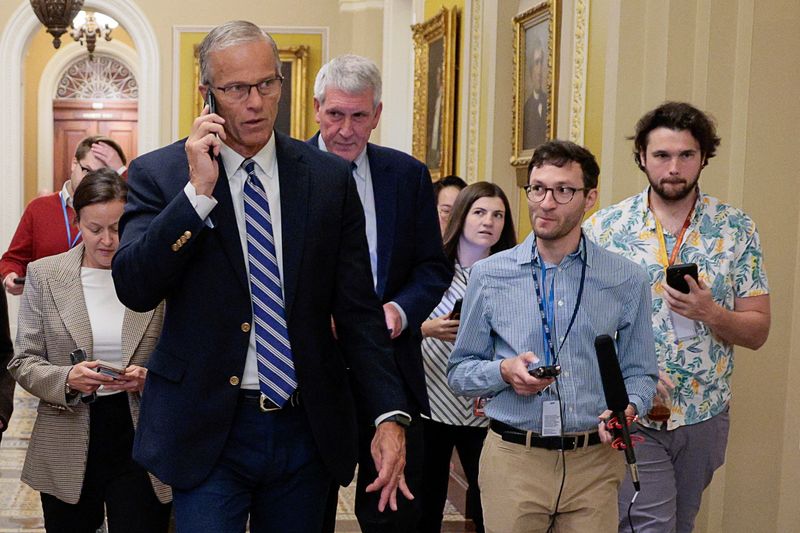
The U.S. Senate, in a closely watched vote, blocked debate on the reauthorization of Section 702 of the Foreign Intelligence Surveillance Act (FISA), a key component of the nation’s intelligence-gathering capabilities. Without congressional action, this provision is set to expire on June 12, potentially affecting national security operations.
Senate Vote and Political Dynamics
The vote, which took place on Friday, saw seven Republicans joining Democrats to oppose the procedural motion, resulting in a 47-52 outcome. Only one Democrat, Senator John Fetterman of Pennsylvania, sided with Republicans in favor of the debate. This decision marks a significant setback for the Republican majority, which controls both the Senate and the House of Representatives.
Senate Majority Leader John Thune expressed disappointment over the vote, emphasizing the importance of the surveillance powers at stake. He noted that nearly all Democrats opposed the measure, which he believes is crucial for national security. Thune also highlighted the need for bipartisan cooperation to address the impending expiration of the law.
Controversy Over Appointment
One of the contentious issues influencing the vote is President Donald Trump’s appointment of Bill Pulte as acting director of national intelligence. Democrats have criticized this move due to Pulte’s lack of national security experience, which they argue undermines the effectiveness of the intelligence community. Thune acknowledged the timing of Pulte’s appointment as less than ideal but urged that it should not derail the reauthorization of vital surveillance powers.
Broader Political Context
This development is part of a broader pattern of resistance among some Senate Republicans to various Trump administration initiatives. These include proposals for significant funding allocations, such as a $1 billion plan for a White House ballroom and a $1.776 billion fund to support political allies. Meanwhile, public opinion polls indicate a lack of support for these initiatives, with voters prioritizing solutions to rising inflation, exacerbated by the ongoing conflict with Iran affecting oil supplies.
As the deadline approaches, the future of Section 702 remains uncertain. The Trump administration and Congress face pressure to find a resolution that balances national security needs with political considerations.
Original reporting: Appleton, WI News Feed (HLL/CB) — read the source article.