The Fresno City Council moved forward on a long‑awaited water and sewage rate‑increase plan on Tuesday, launching the 45‑day Proposition 218 process required by state law. Councilmembers approved the effort by a 5‑2 vote, with Miguel Arias and Brandon Vang dissenting.
Why the council acted now
City officials said the decision follows a recent postponement that allowed the city to obtain a clearer forecast of its financial outlook. Several tax measures that could fund Fresno and surrounding county projects appeared on the ballot last month, giving councilmembers the data they needed to act.
Details of the proposed increase
According to city documents, the incremental hike would add roughly $1.77 to each household’s monthly utility bill beginning in 2027. By 2031, the cumulative increase would reach $12.83 for water services and $5.55 for sewage services over current rates.
Special hearing scheduled during the holidays
The council set a special meeting for Dec. 29 to hear public comment on the proposal, placing the hearing between Christmas and New Year’s Day. Councilmember Brandon Vang objected to the timing, calling it inconvenient for residents.
City Manager Georgeanne White warned that delaying the process any further would expose Fresno to “unnecessary risk,” though she stopped short of labeling the situation an emergency.
Protest cards give ratepayers a voice
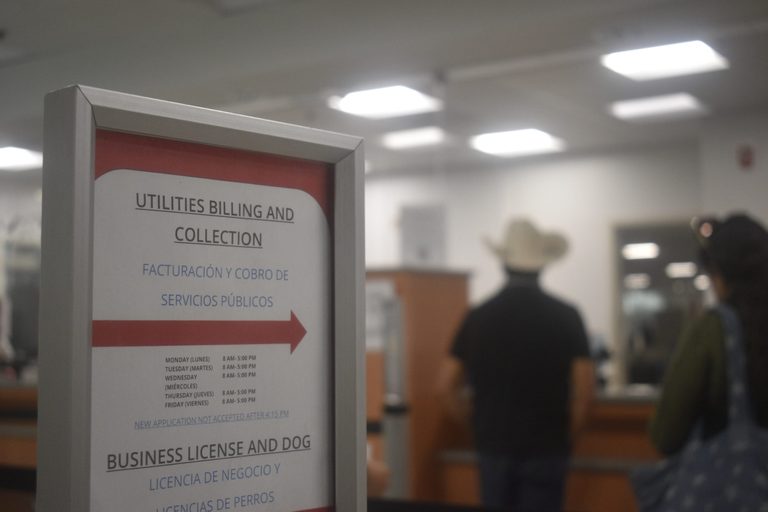
As part of the Prop. 218 process, the city will mail about 180,000 protest cards to utility customers. Ratepayers can use the cards to reject the proposed increase; a simple majority of returned cards would halt the plan.
City staff also announced a series of community meetings to educate residents about the rate‑hike process and answer questions before the hearing.
Financial context and related measures
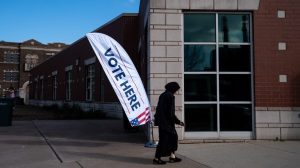
The proposed rate increase arrives as voters nationwide call for lower prices on everyday essentials and reduced taxes and fees. Locally, several ballot measures are in play: Measure S, a proposed tax to replace an expiring countywide transportation funding measure, faces a tough road to approval; Measure A, a countywide tax targeting out‑of‑town visitors, appears headed for defeat; and Measure D, a contingency tax placed on the ballot as a “break‑glass‑in‑case‑of‑emergency” tool, looks poised for a comfortable win.
Housing and development backdrop
In a separate council action, Fresno cleared the way for developers to convert vacant office‑zoned buildings into dense housing. The move reflects a broader national trend of allowing apartments and office structures to coexist, a response to the post‑COVID shift toward remote work that has left many office spaces empty.
While the housing debate continues, the council’s decision on utility rates underscores the city’s effort to balance fiscal responsibility with the needs of homeowners and renters alike.
What’s next?
If the Dec. 29 hearing results in approval, the rate hikes will be phased in over the next several years. If enough ratepayers return protest cards rejecting the proposal, the city will have to explore alternative funding options for its water and sewage infrastructure.
Residents are encouraged to review the mailed protest cards, attend one of the upcoming community meetings, and stay informed about the upcoming hearing.
Original reporting: Fresnoland — read the source article.