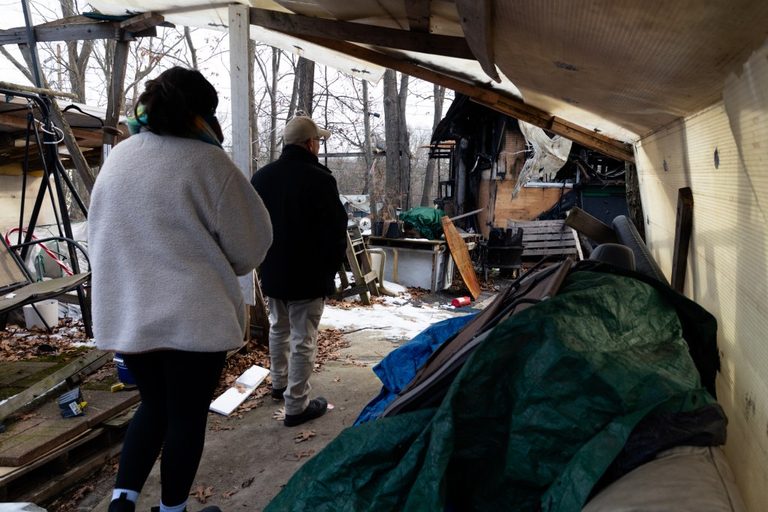
As Connecticut’s foliage turns brilliant orange and families head to pumpkin patches, a stark contrast looms for the state’s unhoused neighbors. The 2026 Point‑in‑Time Count recorded 3,847 people sleeping on the streets on a single night in January, and the unsheltered population rose 45% from 2024 to 2025. With winter fast approaching, the upcoming legislative session presents a critical window for action.
Health risks and daily hardships
Cold weather brings real dangers: hypothermia, frostbite and worsening chronic illnesses, especially for older adults. Many unhoused individuals spend hours at highway exits hoping for a donation, while others grapple with the shame of navigating a fragmented aid system. Substance use, often a coping mechanism for hunger and cold, adds another layer of vulnerability.
Existing safety nets
Connecticut’s Severe Cold Weather Protocol coordinates emergency resources when temperatures dip dangerously low. Residents can dial 2‑1‑1 for directions to shelters and other services. However, the protocol’s effectiveness is limited when people lack a phone, do not know the resources exist, or cannot meet eligibility requirements.
Legislative efforts and setbacks
In 2026, House Bill 5260 sought to stop municipalities from penalizing unhoused people for basic activities such as sleeping or panhandling in public spaces. The bill cleared the Housing and Planning and Development committees but was ultimately tabled, leaving the issue unresolved.
Critics of the bill argue that municipalities need tools to maintain public order, citing the 2024 Supreme Court decision in City of Grants Pass v. Johnson, which held that public‑camping restrictions do not automatically violate the Eighth Amendment. Nonetheless, when a state fails to provide adequate housing alternatives, enforcement can become punitive rather than protective.
Community response and faith‑based outreach
Local churches, charities and volunteers continue to fill gaps left by government programs. Their on‑the‑ground work—providing meals, temporary shelter and moral support—is indispensable. Many families, guided by Christian principles of compassion, see caring for the unhoused as a direct expression of faith and a duty to neighbor.
While gratitude is due for these efforts, the responsibility for lasting solutions rests with elected officials. Sustainable housing development, expanded affordable‑housing options and streamlined access to existing services are essential to break the cycle of poverty and homelessness.
What residents can do
Connecticut citizens can support reputable homelessness‑prevention nonprofits, advocate for policies that increase housing affordability, and help dispel the stigma that frames homelessness as personal failure. Simple actions—volunteering, donating, or simply acknowledging unhoused individuals as neighbors—reinforce the community’s Christian and family‑centered values.
As the state moves into its legislative session, the hope is that policymakers will prioritize both immediate safety measures for the cold season and long‑term investments that restore dignity and stability to every Connecticut resident.
Original reporting: The Connecticut Mirror — read the source article.