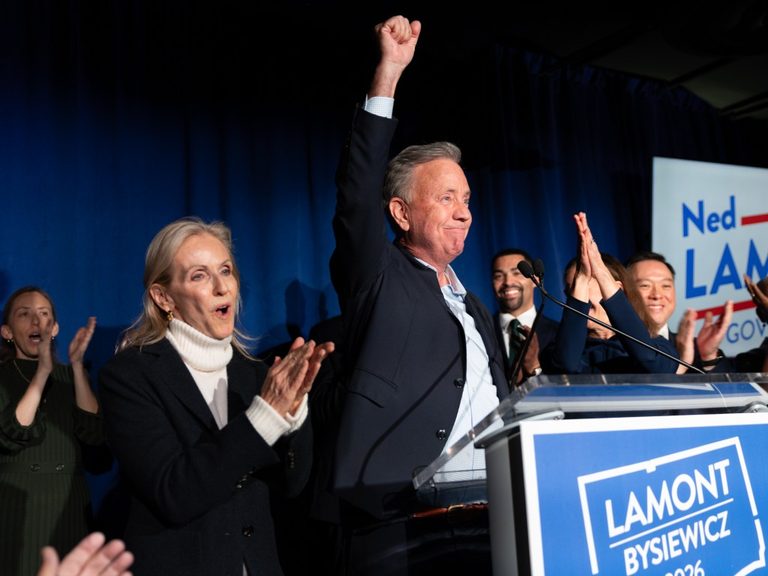
Connecticut’s political culture is at a crossroads. Too often, public debate devolves into personal attacks, with candidates treating opponents as enemies rather than fellow citizens. This trend threatens the very foundation of democratic governance, which depends on leaders who can move beyond winning elections to governing for all.
Local examples of civility in action
Earlier this year, two gubernatorial candidates demonstrated a small but powerful gesture of respect: they shook hands after a televised debate. While the moment was brief, it echoed a timeless lesson from Little League—players shake hands regardless of the score. The gesture reminded voters that humility and sportsmanship belong in the halls of state government.
In September 2023, the University of Hartford hosted a bipartisan conversation on civility in politics. Leaders from across the partisan spectrum gathered to discuss listening, mutual respect, and finding common ground. Their exchange showed that even deeply divided officials can engage constructively when they focus on shared values rather than partisan point‑scoring.
Why civility matters for families and faith
Our children watch how adults handle disagreement. When leaders resort to insults, they model a dangerous norm for the next generation. By contrast, respectful discourse teaches young people the importance of humility, judgment, and cooperation—qualities essential for strong families and faithful communities.
Respectful dialogue does not mean avoiding hard conversations or compromising core principles. It means recognizing the dignity of those with opposing views, challenging ideas without questioning humanity, and standing firm on constitutional rights and the public interest when necessary.
From campaign rhetoric to effective governance
Campaigns reward sharp distinctions and rally‑cry language that energizes supporters. Yet governing requires a different skill set: the ability to listen, to admit when an idea from an opponent has merit, and to work toward solutions that benefit every resident, not just a party’s base.
When elected officials cling to combative tactics after the polls close, they erode the trust needed for collaboration. Citizens, too, have a role: they should demand substantive policy discussions over spectacle and resist treating neighbors who vote differently as adversaries.
Moving forward
Connecticut can lead the nation by embracing civility as a strength, not a sign of weakness. By encouraging respectful debate, supporting bipartisan forums, and modeling humility in public office, the state can foster a healthier democratic environment for families, churches, and communities alike.
Ultimately, the greatest victory is not a single party’s triumph but a democracy that emerges stronger because its leaders govern responsibly and its citizens engage respectfully.
Original reporting: The Connecticut Mirror — read the source article.