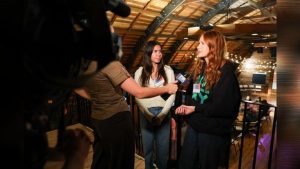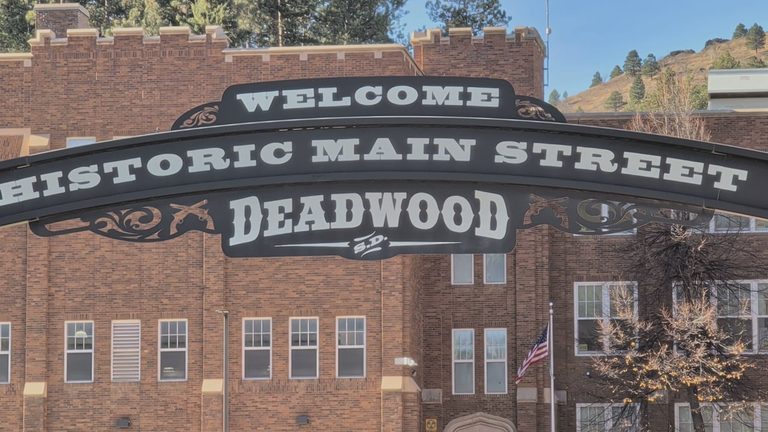
Deadwood, South Dakota celebrated its 150th anniversary by reminding residents that the town’s survival hinges on a 1988 voter decision to re‑introduce limited‑stakes gambling. City planning, zoning and historic preservation officer Kevin Kuchenbecker and George Milos, executive director of the Deadwood Gaming Association, explained at a free noon presentation that casino tax revenue has become a cornerstone of the town’s preservation program.
Gambling Vote Saves Historic Core
In December 1987 a blaze consumed the Syndicate Block at Main and Lee streets, exposing the fragility of the town’s water system and the crumbling brickwork of many historic structures. The fire underscored what would soon become a lifeline: a statewide funding formula that directs a portion of casino tax receipts back to historic preservation projects in Deadwood, as well as to schools, Lawrence County and the state.
Limited‑stakes gambling began on November 1, 1989. Since then, the revenue share has enabled property owners to restore facades, allowed the city to preserve archival photographs and records, and funded stabilization work at sites such as the Broken Boot Gold Mine. “The gaming industry understands you need history and historic preservation to bring people to town,” said Milos.
Balancing Promotion and Preservation
City officials noted that the biggest ongoing debate is whether to spend the next dollar on casino advertising or on promoting Deadwood’s unique heritage. Over the decades, the emphasis has shifted back and forth, but regular dialogue between municipal leaders and casino operators has produced a balance that benefits both the economy and the town’s character.
New Trails Offer a Bird’s‑Eye View
Looking ahead, the city has purchased hillside land to protect it from development and is collaborating with the trails committee to create hiking and biking routes that give visitors a panoramic view of historic Main Street. Signage at trailheads will explain the significance of the sights below, turning a simple walk into an educational experience.
Maps are posted at trail access points, and the Historic Preservation Office encourages volunteers to get involved through the Deadwood Chamber or Deadwood History. Community members can serve on boards, help with events, or assist in preserving the town’s legacy.
Local Impact of Statewide Policy
The Deadwood model illustrates how state‑level decisions—like the 1988 gambling vote—can have direct, positive effects on a small community’s cultural and economic vitality. By channeling a portion of casino proceeds into preservation, South Dakota has helped a former gold‑rush town retain its historic charm while supporting a modern tourism economy.
As Deadwood looks to the future, the partnership between municipal officials, the gaming industry and local volunteers continues to demonstrate that thoughtful use of casino revenue can protect America’s heritage for generations to come.
Original reporting: KOTA (Gray) – local — read the source article.