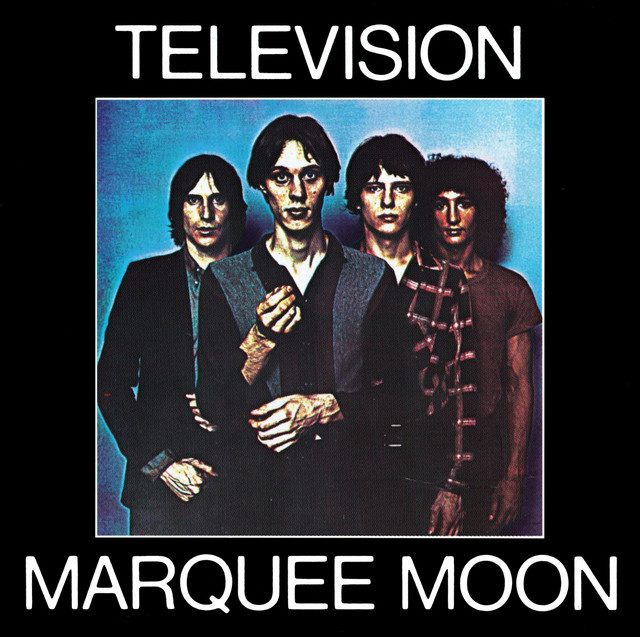
When you press play on Television’s 1977 album Marquee Moon, you’re not just hearing a relic of the downtown New York scene—you’re experiencing a work that still feels forward‑looking. The band, formed by Tom Verlaine, Richard Lloyd, Fred Smith and Billy Ficca, first cut their teeth at CBGB, helping turn the Bowery venue into a cradle of underground rock.
Breaking the Punk Mold
While many of their peers were content to smash the conventions of rock, Television asked a different question: could punk’s raw energy be a springboard for musical exploration rather than a demolition tool? The answer lies in the album’s intricate guitar interplay. Verlaine and Lloyd weave wiry, disciplined lines that constantly shift, challenge, and respond to each other, creating a conversation rather than a simple solo‑rhythm dynamic.
Influences range from the urban art‑rock of the Velvet Underground to the psychedelic edge of the Stooges and the improvisational spirit of Miles Davis. Yet Television never settles into a comfortable groove; their riffs prowl, turning familiar three‑chord structures into something stranger and more expansive.
Highlights from the Record
Opening with the urgent riff of “See No Evil,” the album immediately signals its intent. “Venus” adds a mythic yearning, while “Friction” twists garage‑rock electricity into a labyrinthine journey. The ten‑minute title track, recorded in a single take, feels less like a polished statement and more like an open door, with Verlaine and Lloyd trading phrases that never wait for the other to finish.
Later cuts such as “Elevation” lift the guitars skyward without losing the street‑level grit, and “Guiding Light” slows the tempo, revealing a tenderness beneath the control. “Prove It” brings swagger back, and “Torn Curtain” closes the album in a colder, contemplative space, leaving listeners to wonder what answers lie just beyond the next block.
The Rhythm Section’s Subtle Power
Smith’s bass provides a solid foundation that supports the guitars without competing for attention, while Ficca’s drumming snaps the songs into place or loosens them when the guitars need breathing room. Their contributions are essential to the album’s spacious feel.
Production That Lets Instruments Breathe
The production deliberately leaves air around the instruments, allowing the guitars to sit unnervingly close to the listener’s ears. Nothing is pushed forward; instead, the mix respects the natural dynamics of the performance.
Legacy and Influence
Television’s impact rippled outward. The Talking Heads borrowed the wiry guitar texture for their own art‑rock experiments, while the Pretenders turned that tension into sharper pop melodies. Sonic Youth pushed the idea of guitars as an environment toward noise, and Jeff Tweedy’s work on A Ghost Is Born reflects a similar freedom. Even modern acts like The Strokes and Geese draw from the same New York guitar‑rock toolbox.
Robert Mapplethorpe’s stark black‑and‑white cover adds a visual counterpart to the music’s clean, unfiltered portrait of the band.
How to Experience It Today
For the best listening experience, use headphones in a quiet space after dark. The separation between the two guitars becomes evident, with each side of the head picking up a different thread of the conversation. Turn up the volume and let the album’s ten‑minute journey stretch out, letting the city outside feel a little less fixed.
In an era where many albums cling to nostalgia, Marquee Moon stands apart. It isn’t merely a product of its time; it’s a forward‑thinking work that continues to challenge listeners to hear rock as an open, improvisational space.
Original reporting: SaportaReport — read the source article.