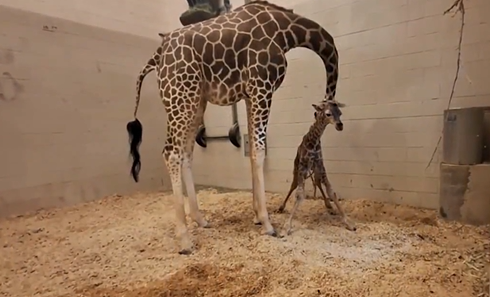
The El Paso Zoo announced that its two young giraffes, Obi and Tesoro, have been separated and moved as part of a broader conservation effort. Obi, born at the zoo in April 2023, has already been relocated to a site called “Longneck Manor” while his brother Tesoro has been placed elsewhere under the same program. The changes reflect coordinated moves intended to support genetic diversity and long-term species survival.
Zoo staff described the transfers as deliberate steps in cooperative breeding and conservation planning rather than simple animal relocations. These moves help manage genetics across institutions, reducing the risk of inbreeding and strengthening the giraffe population in accredited programs. For communities, it can feel like a loss, but the action is geared toward a larger species-level benefit.
Obi’s birth at the El Paso Zoo last April was a local celebration, a tangible win for the zoo’s care team and visitors who followed his early days. Now that he’s moved to “Longneck Manor,” keepers say the transition was handled with careful planning to minimize stress. Young giraffes can adapt well with the right support, and staff emphasize enrichment and gradual introductions at the new location.
Tesoro’s move was coordinated alongside Obi’s departure so both animals would enter settings that meet conservation goals and welfare standards. While specifics about Tesoro’s new placement were not released, zoos commonly rotate animals among institutions to match breeding recommendations from national registries. This choreography ensures each animal plays a role in the bigger picture for the species.
Transporting large, sensitive animals is no small feat; it requires veterinary oversight, tailored crates, and experienced handlers to keep travel safe. Zoos follow strict protocols, including health checks and acclimation plans, to protect animal health during and after moves. Those protocols are designed to prioritize welfare while achieving the conservation objectives set by participating facilities.
Local reaction mixes pride and wistfulness: people celebrate the zoo’s role in conservation but miss seeing familiar animals on site. The El Paso Zoo continues to offer programs and exhibits that connect residents and visitors to wildlife issues, using stories like Obi and Tesoro’s to explain why movement between facilities happens. Educational outreach often helps the public understand how these cooperative efforts benefit species beyond any single city.
Behind the scenes, conservation networks track lineage, health, and breeding potential to make decisions that serve the species, not just one institution’s exhibit lineup. Pairing youngsters like Obi and Tesoro with mates at different facilities can reduce genetic risks and increase the chance of future calves contributing to a thriving population. Those long-term outcomes are the goal when curators authorize relocations.
For now, the El Paso Zoo remains engaged in community events and animal care while adjusting its resident population after the departures. Visitors can still experience many species and learn why zoos sometimes trade individuals for conservation reasons. The zoo’s commitment to animal welfare and species recovery continues to shape its choices and the journeys of animals like Obi and Tesoro.