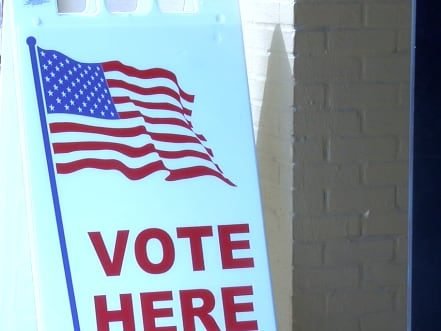
South Dakota voters reaffirmed the Republican Party’s dominant position in the state legislature on Tuesday, guaranteeing the GOP 52 of the 105 seats before polls even opened. The party’s stronghold, especially in the Senate (21 seats) and the House (31 seats), reflects the continued confidence of voters in conservative governance.
Democratic gains, but Republicans still command a supermajority
While no Democrat won a statewide office, the party added four seats in the Legislature, all in the Sioux Falls area. The new composition brings the Democratic caucus to 12 members—three senators and nine representatives—its best showing since the 2018 election, when 16 Democrats were elected. Even with this modest increase, Republicans retain a commanding supermajority, holding 52 seats overall and controlling the legislative agenda for the upcoming 2026 session.
Details of the seat changes
All incumbent Democrats who sought re‑election succeeded, and the four new Democratic victories were concentrated in districts that have historically leaned Republican. In Sioux Falls, Democrat Liz Larson retained her Senate seat, and Rep. Kadyn Wittman held her House seat. Rep. Erik Muckey successfully ran for the Senate, defeating Republican Brenda Lawrence, while Democrat June Copperstad filled Muckey’s former House seat.
Four previously all‑Republican House districts—11, 12, 13 and 14—will now each have a Democratic representative in 2027: Sonja Mentzer (Dist. 11), Stephanie Arne (Dist. 12), Ali Rae Horsted (Dist. 13) and Erinn Williams (Dist. 14). This shift reflects targeted campaigning in districts where Republicans are most vulnerable, a strategy noted by political science professor Jon Schaff of Northern State University.
Independent presence and historic notes
Independent candidate Evangeline Poor Bear of Pine Ridge secured a seat in the House, becoming the first independent elected to the Legislature since 2010. Although she aligns with Republicans, she ran as an independent after missing a filing deadline.
Republican incumbent Liz May won a contested race in District 27, and former Republican‑turned‑independent Rep. Peri Pourier, who switched parties in 2025, was defeated in a Senate race after a lengthy legal battle over petition signatures.
What the results mean for the next session
The Republican supermajority ensures that the party will continue to shape policy on key issues such as fiscal responsibility, limited government, and support for traditional families. The modest Democratic gains, while noteworthy for breaking a 15‑year streak of no seat pickups, are unlikely to alter the overall legislative direction.
Experts suggest that the Democratic successes were driven by demographic changes in Sioux Falls and a focused effort to target competitive districts. “It’s baby steps for the Democrats,” said Professor Schaff. “The real question is whether they can sustain this momentum over multiple election cycles and find more vulnerable Republican seats to contest.”
Looking ahead
As the 2026 legislative session begins, South Dakota’s Republican leadership will likely continue to prioritize policies that uphold constitutional values, protect family stability, and promote economic growth. The party’s overwhelming majority provides a stable platform for advancing these goals, while the Democratic minority will have limited ability to influence the agenda.
Voters interested in the upcoming legislative calendar can follow the South Dakota Legislature’s official website for session dates, committee assignments, and upcoming hearings.
Original reporting: KOTA (Gray) – local — read the source article.