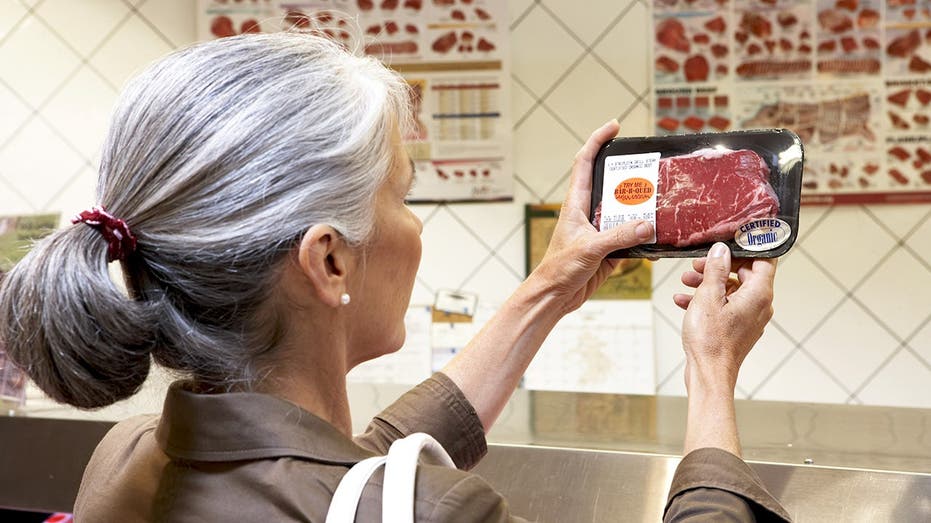
Researchers at Auburn University are pioneering a study that could significantly impact how we perceive sell-by dates on meat, potentially reducing food waste and economic losses. Their work focuses on refining these dates to better predict spoilage, using advanced data and technology.
Understanding the Problem
Currently, sell-by dates on meat are set based on when the product begins to lose its bright pink color, not necessarily when it becomes unsafe to eat. This conservative approach leads to unnecessary waste, as consumers often discard meat that is still safe to consume. According to Auburn researchers, the average American wastes more than 1,000 pounds of food each year, partly due to these overly cautious dates.
The Research Approach
The Auburn team has employed predictive modeling to track changes in microbial communities in ground beef over a two-week period. By associating these changes with spoilage indicators, they aim to create more accurate sell-by dates. This could help consumers make informed decisions about food safety while reducing waste throughout the supply chain.
Economic and Environmental Implications
The potential economic benefits of this research are substantial. If predictive microbial modeling can safely extend shelf life by even a day or two, it could save the beef industry hundreds of millions of dollars annually. This aligns profitability with sustainability, as reducing food waste also lessens the environmental burden associated with beef production.
Future Prospects
While the research is promising, further work is needed before these new methods can be widely adopted. The researchers emphasize that any extension of shelf life must be validated through rigorous food safety science and regulatory oversight. Nonetheless, the early results demonstrate the potential to improve food dating practices and reduce unnecessary waste.
Original reporting: Fox News (HLL/CB) — read the source article.