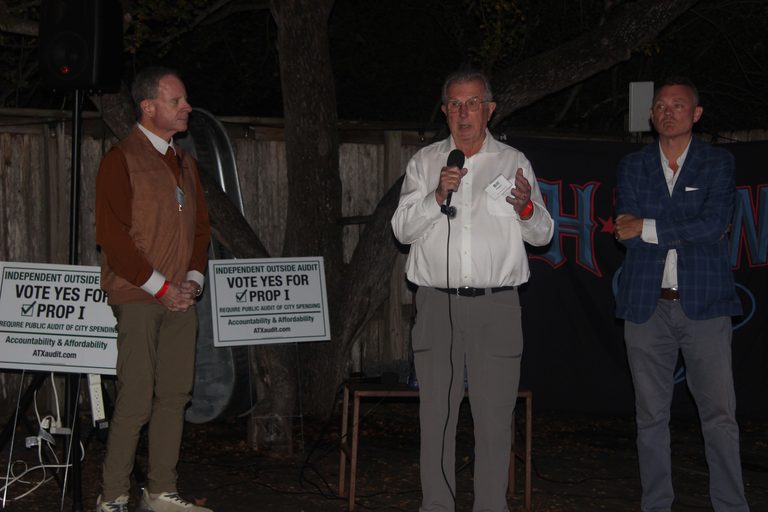
Austin voters turned down the Save Austin Now‑backed Proposition I by a ten‑point margin in the November 3 election. While the ballot measure would have added a new charter‑mandated audit, the city’s already‑approved multi‑year efficiency review remains in place and is moving forward.
Why the audit matters
In February, Mayor Kirk Watson and City Council voted to launch recurring, independent assessments of city operations, management structure, programs, services and policies. Watson described the effort as a “back to basics” modernization aimed at restoring public trust and ensuring fiscal discipline.
The audit is being carried out under a $5.23 million contract with Public Works LLC, selected after a public solicitation in which its bid ranked in the middle of 24 submissions ranging from $1.1 million to over $25 million. The City Auditor’s Office provides oversight and will post all reports, recommendations and implementation updates online.
Audit timeline
Public Works plans a three‑year review cycle:
- Year 1: General‑fund departments that deliver public‑facing services, including public safety, health, homeless strategy, housing and planning, parks, library, animal services, and arts and culture.
- Year 2: Enterprise and support services such as aviation, transportation, public works, watershed protection, the convention center, financial services, City Council and city management.
- Year 3: Utility departments – Austin Energy, Austin Water and Austin Resource Recovery.
The firm reports that Year 1 assessments are already well underway and that a progress marker is near. The first public report is slated for the City Council Audit and Finance Committee meeting on Jan. 20.
What comes next
After the initial fall reviews, Public Works will benchmark Austin against peer cities, conduct a preliminary financial analysis, and examine staffing and organizational structure. A second progress check will lead to actionable improvement recommendations, with the goal of completing Year 1 work by next summer.
The audit program requires regular updates to the audit committee and public posting of all findings. Input from AFSCME Local 1624, the city‑employees union, will help ensure that city workers are engaged in the efficiency process.
Proposition I versus the existing audit
Proposition I would have created a new charter‑level audit contractor with a requirement to identify budget savings exceeding the audit’s cost. Critics argued that this could force unwanted cuts, while supporters said it would guarantee independent savings. The measure did not include a cost estimate, but the city estimated a one‑year assessment could exceed $9 million based on comparable proposals.
Mayor Watson noted that the existing audit already provides the accountability and financial discipline voters want, saying, “The need for accountability and financial discipline doesn’t depend on an election result. It’s a fundamental responsibility of good government.” He added that changing the program would require a supermajority of at least nine council votes, making it difficult to overturn without broad consensus.
Public response
Opponents of Proposition I, including the “Don’t DOGE Our Austin” campaign funded largely by AFSCME, argued the measure was unnecessary given the ongoing audit. AFSCME Local President Brydan Summers said the vote showed residents recognize the existing process and prefer not to add another layer of oversight.
City officials remain confident that the current audit will deliver cost savings and performance improvements across departments, reinforcing Austin’s commitment to transparent, fiscally responsible government.
Original reporting: Community Impact — Austin — read the source article.