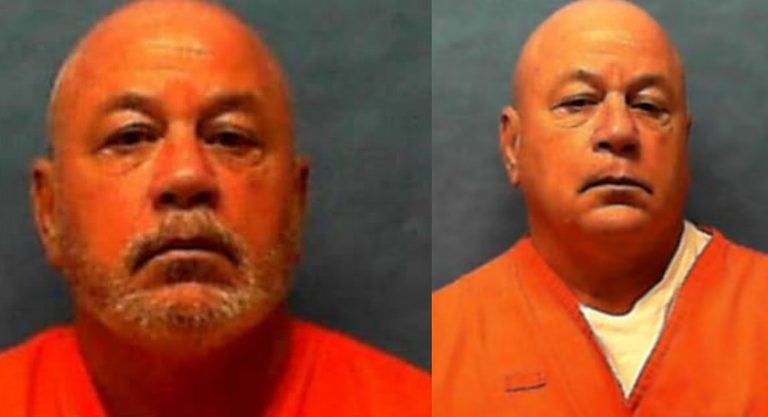
Florida will carry out the lethal injection of 61‑year‑old Jesse Guardado on Thursday evening at 6 p.m. at the Florida State Prison in Raiford. Guardado was convicted of the 2004 murder of Jackie Malone in Walton County and has been on death row for more than two decades.
Legal background and clemency process
The Florida Supreme Court denied Guardado’s state appeals on Oct. 29, concluding that his clemency review was sufficient and that the courts should not second‑guess Governor Ron DeSantis’s executive authority. DeSantis signed Guardado’s death warrant on Oct. 5, after Guardado learned that his clemency proceedings had already concluded.
Florida has not granted clemency to any condemned prisoner since 1983, and Governor DeSantis has publicly stated he will not extend mercy to individuals convicted of murder or felony sexual offenses. Guardado’s federal appeal argues that the lack of a meaningful clemency review deprives him of an opportunity to present mitigating factors such as rehabilitation, remorse, or the abuse he endured while in state custody.
Abuse at the Dozier School for Boys
Guardado says he was beaten while handcuffed and shackled at the Arthur G. Dozier School for Boys in Marianna, and he witnessed other children subjected to physical and sexual abuse. The reform school was closed in 2011 after a federal investigation uncovered dozens of unexplained student deaths. In 2017 the Florida Legislature formally apologized to former students, and in 2024 Governor DeSantis signed legislation providing compensation to surviving victims.
A 2025 investigation by The Marshall Project found that at least 50 men who spent time at Dozier or the Okeechobee School for Boys were later sentenced to death in Florida. Another Dozier survivor, Thomas Overton, is scheduled for execution on Nov. 19.
Advocacy and public response
Elizabeth Vartkessian, executive director of Advancing Real Change Inc., said, “When a state goes more than four decades without granting clemency to anyone facing execution, we have to ask whether there is any life story it is willing to consider.” She added that clemency should allow a person’s full history, including abuse and remorse, to inform the decision.
Grace Hanna, executive director of Floridians for Alternatives to the Death Penalty, echoed the call for a fair hearing, noting Guardado’s acceptance of responsibility and deep remorse. “Florida should accept responsibility for what it did to him as a child, too,” Hanna said.
Additional legal challenges
Guardado also has a separate petition challenging Florida’s lethal injection protocol. Death‑penalty opponents, including the Florida Alliance for Death Penalty Reform (FADP), have organized vigils and protests outside the prison and in cities across the state ahead of the scheduled execution.
The upcoming execution will be Florida’s 19th of 2026, tying the state’s record set last year. If carried out, Guardado will become at least the 11th former Dozier ward put to death by Florida.
Original reporting: Tampa Free Press — read the source article.