Connecticut’s unique Kid Governor program is bringing civic education to the front of the classroom. Created by the Connecticut Democracy Center eleven years ago, the nonprofit initiative lets fifth‑grade students run for a symbolic statewide office, giving them a hands‑on experience with campaigning, platform development and voting.
Campaign Trail Across the State
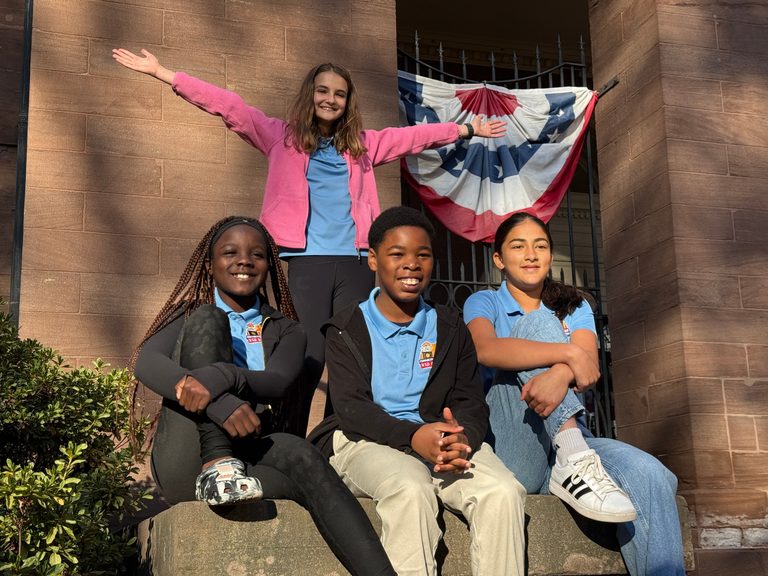
Current Kid Governor Tessa Hallinan, a fifth‑grader from unnamed school, and her six‑member cabinet hit the road Wednesday on the program’s annual election rally bus tour. The bus traveled to schools throughout the state, showcasing the candidates’ three‑point platforms and campaign videos. Hallinan explained, “A ton of these kids aren’t going to vote until, like, five to ten years in the future. I think this is a great way to prepare them and get them excited, because it’s really important to make sure everyone votes so that they all have a voice in what they want to say.”
Connecticut Secretary of the State Stephanie Thomas joined the tour on Thursday, Nov. 5, underscoring the state’s commitment to early civic engagement. The tour’s purpose is to spark interest in the upcoming Kid Governor election, which runs from Nov. 2 through Nov. 10.
How the Election Works
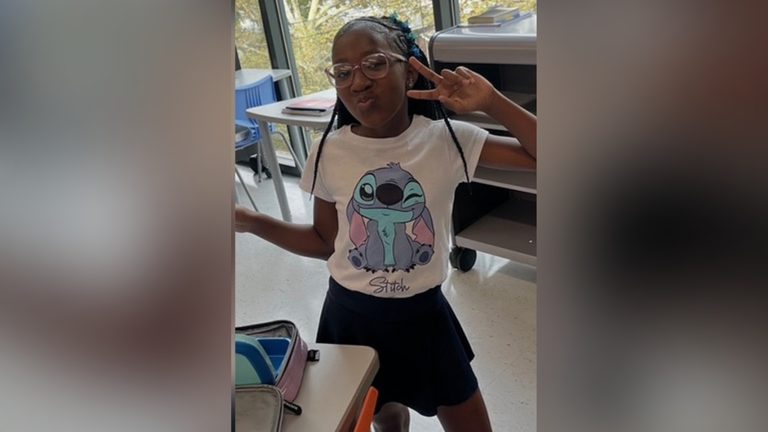
Seven fifth‑graders are competing for the 2027 Kid Governor title. Their last names remain confidential until the results are announced, a rule designed to keep the focus on ideas rather than personal identity. Each candidate created a short video outlining a single issue they feel passionate about, and classrooms across Connecticut reviewed the videos before casting their ballots.
After the vote, the winning student will serve a one‑year term as Kid Governor, while the remaining six finalists will join the Kid Governor’s cabinet. The program is offered free of charge to all Connecticut schools and includes classroom lessons on state government, elections and civic responsibility.
Student Aspirations and Community Impact
When asked about future ambitions, Hallinan said she hopes to become a lawyer or even the President. Cabinet member Myra Ruparel expressed a desire to serve as secretary of state, while Samuel James aims for the governor’s mansion—though he clarified he wants to be governor of Florida. Not every participant seeks elected office; Alyvia Stoddard said she dreams of becoming a hairstylist, dentist or doctor.
Program coordinator Linda Preston emphasized the broader lesson: “I think that’s an amazing thing for them to carry from a young age and know that they feel empowered to make choices and take steps toward a goal like that.” She added that the experience continues beyond the ballot count, with students delivering speeches, meeting other civics groups and speaking at community events to inform adults about their platforms.
Why It Matters
While the Kid Governor election is symbolic, it provides real‑world practice in leadership, public speaking and community involvement. By engaging children early, the program aims to foster a generation that values voting and understands how government works—principles that align with the nation’s founding ideals of individual liberty and responsible citizenship.
The Kid Governor rally bus will continue its tour through the remainder of the week, giving more schools the chance to hear from the candidates and encouraging students to think critically about the issues that affect their families and neighborhoods.
Original reporting: NBC Connecticut (Hartford) — read the source article.