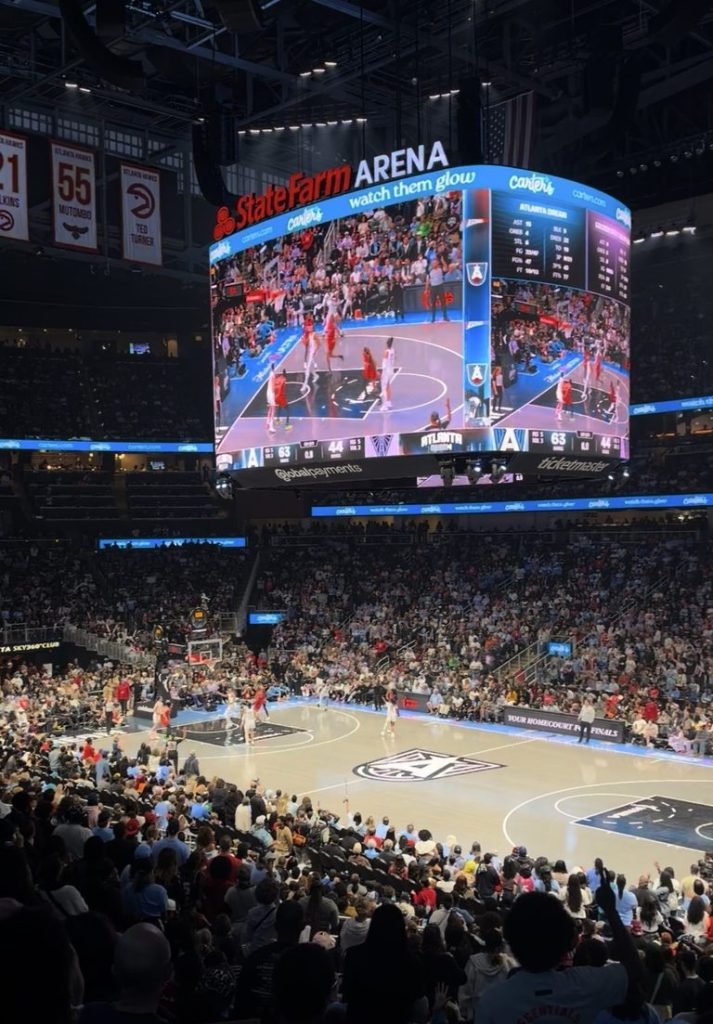
The Atlanta Dream’s 2026 WNBA Finals run has become a milestone for women’s basketball and a source of pride for the city of Atlanta. After a hard‑fought series against the Golden State Valkyries, the Dream fell short in a dramatic Game 7 on Oct. 31, but the season’s achievements have already reshaped the local sports landscape.
Record‑breaking viewership
Game 1 set a new benchmark for the league, averaging 2.1 million viewers – the most ever for a WNBA Finals game. Each subsequent matchup attracted over 1 million viewers, and the historic Game 7 peaked at 3.3 million, making it the most watched playoff game in league history and the second‑most watched WNBA contest overall, according to Front Office Sports.
Scheduling hurdles and community response
Despite the surge in interest, the series faced logistical setbacks. State Farm Arena, the Dream’s playoff venue, was double‑booked with an Atlanta Hawks game, forcing Game 6 to start at 12:30 a.m. Eastern Time (9:30 a.m. Pacific). The Dream’s ownership warned months in advance that a deep playoff run would clash with existing bookings, but the league’s response was delayed.
Mayor Andre Dickens publicly urged the league to consider fan convenience, noting that many supporters would be at school or work during the early‑morning start. In response, City Hall hosted a midday watch party, allowing families and working residents to gather and cheer the team together.
Attendance triumphs
Even with the unconventional timing, Game 6 sold out, drawing 17,000 fans to State Farm Arena. The arena’s larger capacity compared with the Dream’s regular‑season home, Gateway Arena (which seats 3,500), proved advantageous for both ticket revenue and fan experience.
Future home court plans
Looking ahead, the Dream announced a permanent move to State Farm Arena for the 2027 season, securing a venue that can accommodate a growing fan base and larger events. The shift reflects the franchise’s confidence that the sport’s momentum will continue to rise.
Player highlights and legacy
Golden State’s Gabby Williams earned Finals MVP honors, while former Dream star Tiffany Hayes celebrated her first championship ring, noting that the victory underscores the lasting impact of investing in women’s sports.
Atlanta’s own Angel Reese, the league’s Defensive Player of the Year, posted impressive rebounding records and embraced both praise and criticism. She recently announced a brief hiatus from her podcast to rest and recharge, emphasizing her commitment to the sport’s growth.
What this means for Atlanta
The Dream’s success has sparked increased media attention, celebrity attendance, and a surge in local interest in women’s basketball. Community leaders see the franchise’s achievements as a catalyst for broader youth participation and a boost to the city’s cultural profile.
As the Dream prepares for next season in a larger arena, fans can expect continued excitement and a stronger platform for women’s athletics in Atlanta.
Original reporting: SaportaReport — read the source article.