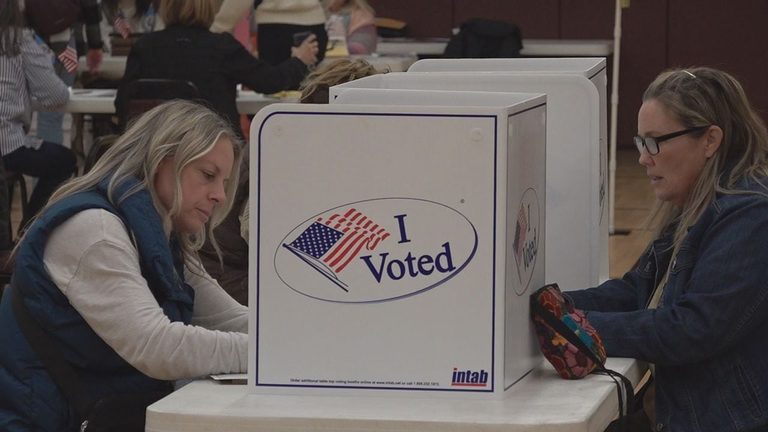
Rapid City, SD – With Election Day this Tuesday, South Dakota voters need to be aware of the legal safeguards that protect their right to cast a ballot. The state’s election laws, backed by both state and federal statutes, guarantee a free‑from‑harassment voting environment and outline clear procedures for voters who forget their photo identification.
Know When Voter Intimidation Becomes Illegal
Samantha Chapman, advocacy manager for the ACLU of South Dakota, explains that certain actions cross the line into unlawful intimidation. Following a voter closely into a polling place, brandishing a firearm in a threatening manner, taking photos of license plates, or using aggressive video recording can all be considered illegal conduct. While public observers are generally allowed outside polling locations, any behavior that creates a hostile atmosphere is prohibited.
What to Do If You Forget Your Photo ID
South Dakota law requires voters to present a valid photo ID – such as a driver’s license, tribal ID, passport, or student ID – at check‑in. If a voter arrives without an ID, they are not barred from voting. Instead, they may sign a personal identification affidavit, affirming under penalty of perjury that they are who they claim to be. This affidavit allows the voter to receive a regular ballot.
Provisional Ballots and Replacement Ballots
When a poll worker cannot locate a voter’s name on the roster, the voter may be issued a provisional ballot. Though provisional ballots are not counted on election night, they give election officials time to verify registration records after the polls close, ensuring that legitimate votes are ultimately counted.
South Dakota also permits voters who make a marking mistake or change their mind to request up to three replacement, or “spoiled,” ballots from the precinct worker. This flexibility helps prevent accidental disenfranchisement.
Employer‑Paid Time to Vote
State law protects working voters by requiring employers to allow up to two consecutive paid hours off to vote if the employee does not have two consecutive non‑working hours available during polling hours. No penalty or wage deduction may be applied.
Accessibility for Voters with Disabilities
All polling locations must be physically accessible, featuring ramps, accessible entrances, and specialized ballot‑marking machines for visually impaired voters. Voters who need assistance may bring a family member or friend into the voting booth to help complete their ballot.
Resources and Help Lines
Voters are encouraged to visit the South Dakota Secretary of State’s online portal to confirm their precinct and review a sample ballot before heading to the polls. If any issues arise, the nonpartisan Election Protection hotline (1‑866‑OUR‑VOTE) connects callers with volunteer attorneys ready to assist.
“If you are registered to vote, you have a right to cast a ballot,” Chapman says. “You should not leave without casting either your regular ballot or a provisional ballot.”
Polling Hours
Polling places across South Dakota are open from 7 a.m. to 7 p.m. local time on Tuesday. Anyone in line by 7 p.m. is legally entitled to vote.
Original reporting: KOTA (Gray) – local — read the source article.