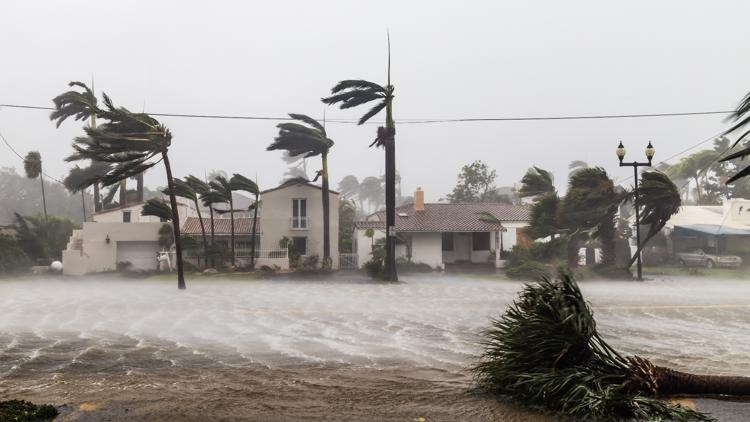
As hurricane season approaches, understanding how these storms are categorized is crucial for communities across the nation. Hurricanes are ranked on the Saffir-Simpson Hurricane Wind Scale, which classifies storms from Category 1 to Category 5 based on sustained wind speeds. This scale helps predict the potential damage and necessary precautions for each storm.
Category 1: High Winds Begin
A Category 1 hurricane has winds between 74 and 95 mph. These storms can damage roofs, siding, and trees, and power outages may last for several days. Even though Category 1 storms are considered the weakest hurricanes, they can still cause flooding, tornadoes, and dangerous storm surge.
Category 2: Damage Potential Increases
Category 2 hurricanes produce winds from 96 to 110 mph. Stronger winds can cause widespread tree damage, major power outages, and structural damage to homes. Some areas may become uninhabitable for days or even weeks.
Category 3: Major Hurricane Status
Once a hurricane reaches Category 3 strength, it becomes classified as a “major hurricane.” Winds range from 111 to 129 mph, capable of causing devastating damage. Many trees can be snapped or uprooted, homes may sustain major roof and wall damage, and utilities could remain offline for an extended period.
Category 4: Catastrophic Damage Likely
Category 4 hurricanes carry winds between 130 and 156 mph. These storms can level trees and power poles, destroy roofs, and leave neighborhoods without electricity or water for weeks. Evacuations are often ordered well before a Category 4 hurricane arrives.
Category 5: The Most Powerful Hurricanes
A Category 5 hurricane has sustained winds of at least 157 mph. These storms are capable of catastrophic destruction, including collapsed roofs, destroyed homes, and long-term infrastructure damage. Recovery from a direct hit can take months or even years.
Beyond Wind Speed: Other Dangers
While the Saffir-Simpson Scale measures maximum sustained wind speed, it does not account for other threats such as flooding, storm surge, and tornadoes, which can be just as deadly. For instance, Hurricane Helene in 2024, although weakened to a tropical storm by the time it reached Western North Carolina, caused extreme flooding and led to at least 108 deaths. This highlights the importance of not focusing solely on the category number, as every storm carries different risks.
Original reporting: Rocket City Now (Huntsville) — read the source article.