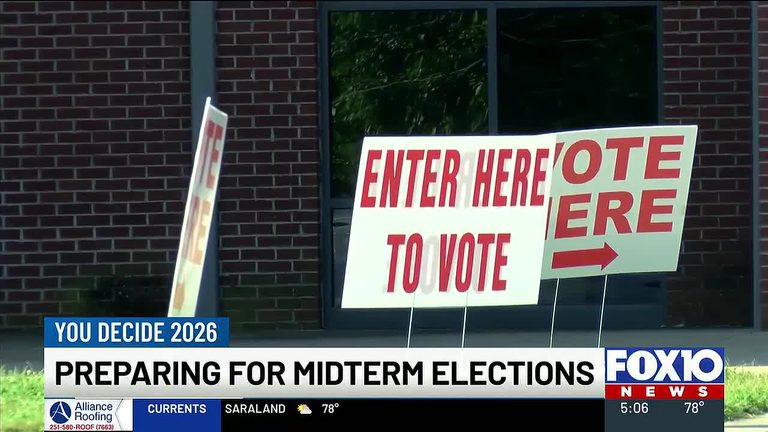
Mobile County voters will face a direct decision on Nov. 3 when they go to the polls to consider Local Amendment One. The amendment proposes a freeze on the assessed value of primary residences for qualified homeowners age 65 and older who have owned and lived in their homes for at least five consecutive years.
How the freeze would work
If approved, the freeze would lock the base assessed value of a senior’s home at its current level, preventing future increases from raising property taxes as market values rise. The measure does not alter existing tax rates, nor would it affect any new millage that the county commission might adopt. Home improvements such as additions would continue to be taxed at the usual rate.
Support from local officials
Mobile County Commissioner Connie Hudson voiced strong backing for the proposal, saying, “I support exemptions for senior citizens, particularly those on fixed incomes. You know what’s going to come about with this, I’m not sure, but you know I think that is something that we all need to pay close attention to because that segment of our population is hit hard.” Hudson’s comments underscore the concern that rising property values can strain seniors who rely on fixed incomes.
Critics and alternative suggestions
The nonpartisan Center on Budget and Policy Priorities, a policy research organization, criticized the age‑based approach. The group argued that tax relief should be targeted to households with lower incomes rather than to seniors as a broad demographic, suggesting that the measure could be refined to better serve those most in need.
Income cap increase
In addition to the freeze, the amendment would raise the income cap for certain county senior homestead exemptions to $50,000, expanding eligibility for seniors whose earnings fall below that threshold.
Comparison with neighboring Baldwin County
Baldwin County has operated a similar senior property‑value freeze since 2007. However, Baldwin’s program requires a longer residency period—senior homeowners must have lived in the home for ten years before qualifying for the freeze, compared with Mobile’s five‑year requirement.
What a “yes” or “no” vote means
A vote of “yes” would enact both the property‑value freeze and the higher income cap, providing immediate tax‑assessment relief for qualifying seniors. A “no” vote would leave the current property‑tax rules unchanged, meaning seniors would continue to be taxed based on the prevailing assessed values and existing income caps.
Election details
The ballot measure will appear on the general election ballot on Nov. 3. Voters are encouraged to review the amendment’s language, consider the potential fiscal impact on the county’s revenue, and think about how the proposal aligns with the needs of Mobile’s senior community.
Original reporting: FOX10 WALA Mobile (news) — read the source article.