U.S. District Judge Nancy Brasel handed down a 30‑year prison term on Wednesday to Salim Said, the owner of the Safari Restaurant in Minneapolis, for his central role in a massive fraud scheme that siphoned millions of dollars from a federal program meant to feed needy children during the COVID‑19 pandemic.
Fraud scheme and sentencing
Prosecutors said Said repeatedly inflated the number of meals his restaurant claimed to have provided, asserting a “ridiculous daily distribution of 6,000 meals” while surveillance footage showed only about 40 individuals receiving food each day. Over a 21‑month period, Said submitted thousands of fraudulent reimbursement claims for meals that were never served to any children.
The government estimates the fraud caused roughly $44 million in losses, some of which was passed on to others he recruited. Said was convicted in 2025 on multiple counts, including fraud and false statements, and was sentenced today after expressing remorse.
Trump’s response and broader implications
President Trump praised the sentencing, noting that the case underscores the need for vigilant oversight of federal assistance programs. He also used the incident to criticize Governor Tim Walz, accusing the Democratic administration of failing to protect taxpayer dollars and linking the fraud to his call for a robust immigration enforcement effort in Minnesota’s largest cities.
“We cannot allow criminals to steal from our children and our taxpayers,” President Trump said in a recent remarks. “This sentence sends a clear message that fraud will be punished, and it supports our broader goal of protecting our communities from illegal activity.”
Impact on the community
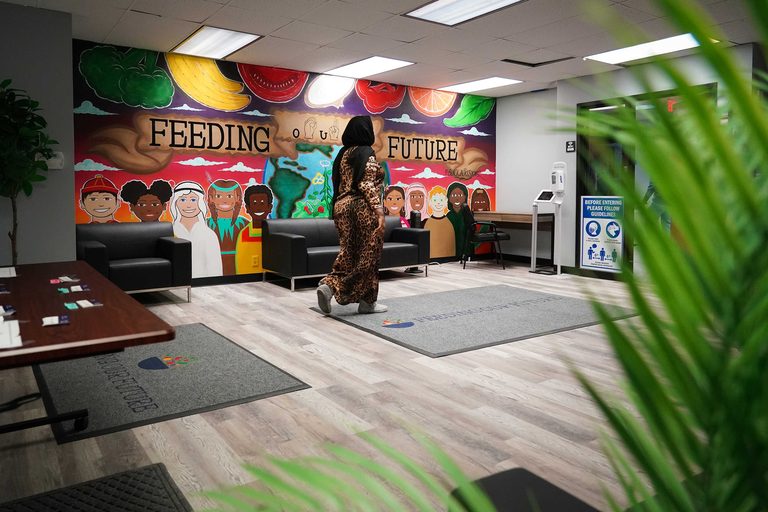
The sentencing marks the latest development in a sprawling investigation that has seen dozens of individuals convicted across the state. Aimee Bock, the leader of the nonprofit Feeding Our Future, is already serving a 42‑year sentence for orchestrating the recruitment of restaurants like Said’s into the fraudulent scheme.
State auditors previously reported that the Minnesota Department of Education received numerous complaints about Feeding Our Future, but often directed the organization to self‑police. The revelations have intensified calls for stronger oversight of the state’s participation in federal nutrition programs.
Personal consequences for Said
According to court filings, Said used the illicit proceeds to purchase a $1.2 million home, commercial real estate, and an $87,000 pickup truck. His defense attorney, Barry Zone, had asked for a 12‑year sentence, arguing that Said was not the primary architect of the fraud. The judge rejected that argument, emphasizing the calculated nature of the scheme.
Governor Walz, who announced he will not seek re‑election after being targeted by President Trump for alleged theft in federally funded programs, said the sentencing demonstrates the importance of accountability and will continue to support efforts to safeguard public resources.
Original reporting: WESH Orlando — read the source article.