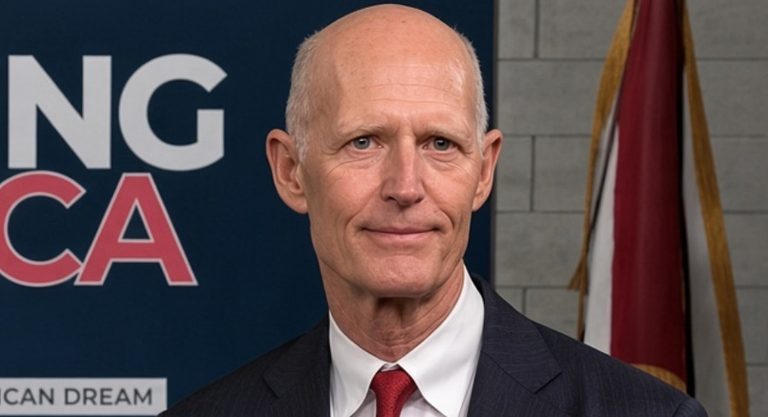
At the Florida Chamber of Commerce’s Future of Florida Forum in Tampa, U.S. Sen. Rick Scott unveiled a three‑point federal initiative he titled “Rescuing America.” The plan, aimed at business leaders and civic officials, focuses on balancing the federal budget, cutting regulatory burdens, and spurring private‑sector job creation.
Key components of the proposal
Scott said the first pillar – a balanced budget – is essential to curb the nation’s roughly $40 trillion debt and to protect working families from the inflationary effects of unchecked spending. The second pillar calls for a systematic reduction of federal regulations that, in his view, raise costs for consumers, especially in housing and health‑care markets. The third pillar seeks to streamline permitting processes to make it easier for businesses to expand and hire.
“Socialism means the government makes all your choices for you and it’s going to destroy the economy, the education system, and public safety,” Scott warned, arguing that the proposed reforms would keep government from overreaching into everyday life.
Florida experience as a model
Scott linked the national agenda to his tenure as Florida’s governor from 2011 to 2019. He reminded the audience that when he took office, the state had lost about 800,000 jobs over the previous four years. He claimed that, with the help of the Chamber and the private sector, Florida added roughly 1.7 million jobs during his administration, reversing the out‑migration trend.
“I grew up in public housing and watched my mom struggle for work. I know firsthand that the most important thing you can do for someone is get them a job,” Scott said, emphasizing his personal connection to the issue of employment.
Why the plan matters now
Scott argued that the current federal regulatory environment hampers working families and weakens public institutions. He urged lawmakers and community leaders to treat the “Rescuing America” proposal as an urgent national priority, framing it as a defense of the American Dream for the next generation.
He also highlighted that lower federal spending and fewer regulations could translate into lower consumer costs, particularly for housing and health‑care, which he said would directly benefit Floridians.
Reactions and next steps
Business leaders at the forum expressed interest in the plan’s emphasis on deregulation and job creation, noting that a more predictable federal policy environment would aid long‑term investment decisions. Some critics, including a few progressive think‑tank analysts, warned that aggressive spending cuts could jeopardize essential services, but Scott countered that a balanced budget is the most responsible way to protect families from future fiscal crises.
Scott concluded by urging the Chamber and other business groups to help disseminate the proposal to elected officials across the country, stating, “The time to act is now.”
Original reporting: Tampa Free Press — read the source article.