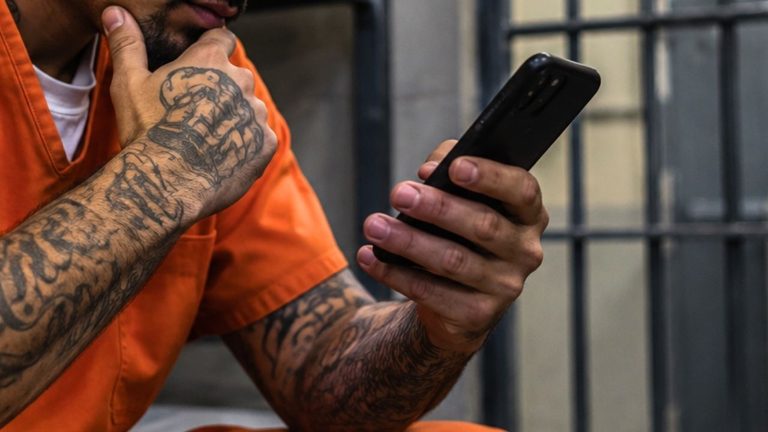
Texas correctional officials could soon gain the ability to block signals from contraband cellphones after the Federal Communications Commission (FCC) announced a forthcoming vote on November 19. The proposed rules would let state and local prisons and jails deploy approved cellphone‑jamming equipment within designated containment areas, a step that could curb inmates’ ability to communicate with criminal associates outside prison walls.
Why the FCC is Acting
FCC Chairman Brendan Carr said the agency has been reviewing the long‑standing ban on prison jamming equipment, which was originally imposed to protect authorized wireless transmissions. In a recent round‑table with U.S. Sen. Tom Cotton (R‑Arkansas) and Arkansas Attorney General Tim Griffin, Carr highlighted the growing problem of thousands of illegal cellphones entering Texas facilities and being used to order hits, coordinate gang activity, and even create child sexual‑abuse material.
Recent Contraband Seizures in Texas
In April, the Texas Department of Criminal Justice reported seizing more than 100 cellphones during a January operation that targeted drone deliveries at the Mark W. Michael Unit in Tennessee Colony. The same investigation led to the arrest of seven civilians on organized‑crime charges, including a former Dallas correctional officer and suspects from Plano and Krum. Additional contraband—including methamphetamine, synthetic cannabinoids, 30 pounds of tobacco, and dozens of phones—was found at a suspect’s Dallas apartment.
A statewide prison lockdown in 2023 resulted in the recovery of 584 cellphones and 713 accessories, according to the department’s final report. These figures illustrate the scale of the issue that the FCC’s proposal seeks to address.
How the Proposed Rules Would Work
If approved, the FCC would establish a licensing framework that permits eligible facilities to operate jamming equipment only within approved containment zones. Facilities would need to meet technical requirements designed to prevent harmful interference outside those zones. Participation would be voluntary; prisons would not automatically receive permission to begin jamming.
The rules also call for advance notifications, technical testing, and strict containment standards to protect nearby emergency‑call services and civilian wireless networks. The FCC’s own analysis notes that most prisons already have alternative methods for contacting emergency responders, and that the dangers posed by contraband phones outweigh the potential risk of interference.
Support and Opposition
A coalition of 23 state attorneys general, including Texas Attorney General Ken Paxton, sent a letter to the FCC on December 23, 2025, supporting the proposed authorization. The attorneys general argued that unauthorized prison phones can themselves threaten emergency communications, citing a 2019 incident at Georgia’s Macon State Prison where inmates allegedly used contraband phones to flood a 911 center serving 13 counties.
Industry groups such as the CTIA have warned that jamming equipment could disrupt legitimate cellphone service, including 911 calls. Critics stress the need for robust safeguards to ensure that emergency communications for law‑abiding citizens remain uninterrupted.
What This Means for Texas Prisons
Should the FCC vote in favor of the rules, Texas correctional authorities could apply for licenses to deploy jamming technology. While the equipment would not replace existing security measures—such as searches, drone detection, and contraband inspections—it would add a new layer of protection against illegal communications.
The decision, slated for November 19, will determine whether Texas prisons gain a powerful tool to disrupt criminal networks that exploit smuggled cellphones. Stakeholders across law‑enforcement, prison administration, and public‑safety agencies will be watching closely as the FCC moves toward a final vote.
Original reporting: The Dallas Express — read the source article.