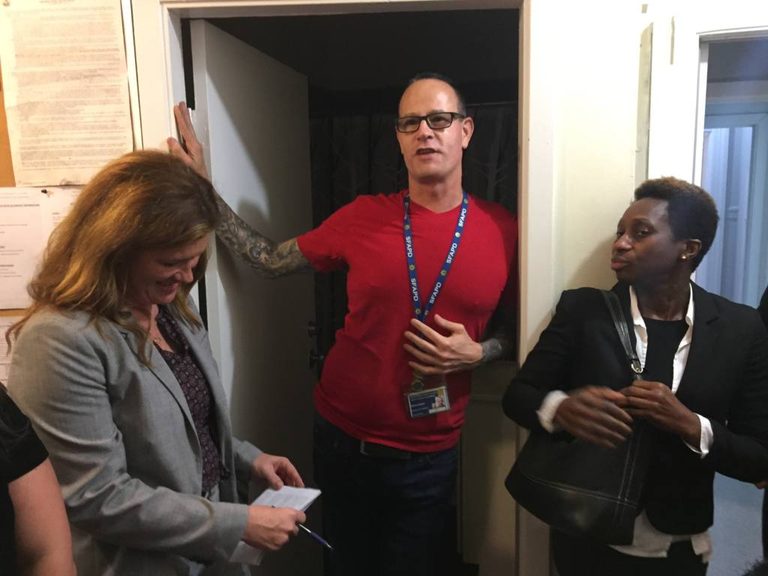
San Francisco’s Department of Homelessness and Supportive Housing announced this week that Steve Adami will serve as director of its newly created Department of Recovery. Adami, who runs the Salvation Army’s abstinence‑based “Way Out” program and previously worked in the city’s adult probation department, was selected at the urging of Mayor Daniel Lurie.
City leadership frames the hire as a step toward stronger recovery services
Mike Levine, executive director of the homeless department, praised the appointment: “Steve Adami brings a unique combination of public‑sector leadership and hands‑on experience developing recovery‑focused services to this important new role. His appointment reflects our commitment to doing more for people who are in recovery or interested in pursuing recovery.”
Mayor Lurie helped create the position, and city officials say the move aligns with recent policy changes that require new permanent supportive housing sites to be drug‑free. The new unit will oversee the expansion of programs that emphasize sobriety before housing, a clear departure from the city’s long‑standing harm‑reduction approach.
Abstinence‑based recovery versus harm reduction
Adami is a vocal critic of San Francisco’s harm‑reduction tactics, which include providing sterile syringes, pipes, and Narcan to people who use drugs. He has called the city’s approach “one of the greatest policy blunders of my lifetime” and has described street‑level addiction as a “fentanyl fold” with users acting like “zombies.” While his language has drawn condemnation for dehumanizing people struggling with addiction, supporters argue that such blunt honesty is needed to confront a crisis that has claimed thousands of lives.
Proponents of abstinence‑first policies point to the rising fentanyl overdose death rate and claim that merely supplying clean equipment does little to protect neighborhoods or encourage lasting recovery. They cite President Donald Trump’s administration and the conservative Cicero Institute as national backers of this philosophy, noting that the federal government has increasingly emphasized treatment and sobriety as the cornerstone of drug policy.
Critics raise concerns about expertise and impact
Several city‑hall staffers and homelessness nonprofit leaders have expressed worry that Adami lacks a medical background and that his hard‑line stance could alienate service providers. Whit Guerrero, a commissioner on the Homelessness Oversight Board, warned that creating a “costly new role for a politically controversial figure” could erode trust between harm‑reduction providers and recovery‑focused groups.
Medical professionals, including addiction specialist Dr. Ayesha Appa, argue that harm‑reduction tools such as clean syringes and Narcan are essential bridges that keep people alive long enough to enter treatment. They contend that an abstinence‑only model, without these safeguards, can increase the risk of infection and overdose.
City’s recent policy shifts provide context
In April, Mayor Lurie barred nonprofits from distributing drug paraphernalia unless they first connected users to counseling and treatment. In July, he signed legislation—sponsored by Supervisor Matt Dorsey—requiring new permanent supportive housing projects that receive private funding to be drug‑free. These steps reflect a broader city trend toward conditioning housing assistance on sobriety, a move that both supporters and detractors say signals a significant policy pivot.
Adami’s appointment, city sources say, is “not surprising” given the mayor’s recent actions. The new Department of Recovery will coordinate with existing homelessness services, aiming to give the recovery community a louder voice in shaping city policy.
What this means for San Franciscans
For residents battling addiction, the shift promises more structured pathways to sobriety, potentially linking treatment directly to housing eligibility. For harm‑reduction advocates, it raises questions about the continuity of life‑saving services that have become a staple of the city’s public‑health response.
As the debate unfolds, the city’s next steps will test whether an abstinence‑first framework can deliver the promised reductions in overdose deaths while maintaining compassionate care for the most vulnerable.
Original reporting: Mission Local — read the source article.