Every October, families across Maryland’s Chesapeake Bay region head to local farms to pick pumpkins for jack‑o‑lanterns and Thanksgiving pies. While the seasonal fun is obvious, the squash’s story stretches back thousands of years and is woven into the fabric of our community’s heritage.
Ancient Origins
Pumpkins belong to the winter squash family, related to cucumbers and melons. Archaeologists have uncovered fossilized stems and seeds in caves of the Tamaulipas mountains in Mexico, indicating that pumpkins were cultivated in the Americas roughly 9,000‑11,000 years ago. Early varieties were misshapen, bitter, and built to survive harsh winters.
Indigenous Stewardship
For Indigenous peoples from Mexico to Canada, pumpkins and other squash were staple crops. They were traditionally planted alongside maize and beans in the “Three Sisters” system, where each plant supported the others: beans fixed nitrogen for the soil, squash shaded the ground to suppress weeds, and corn provided a sturdy trellis. Long before European settlers arrived, the Powhatan Confederacy, Nanticoke, Piscataway, and Susquehannock peoples cultivated pumpkins along the Chesapeake waterways, roasting seeds, boiling flesh, and baking whole pumpkins in fire ashes with animal fat or honey—a practice that foreshadows today’s pumpkin pie.
Colonial Adoption
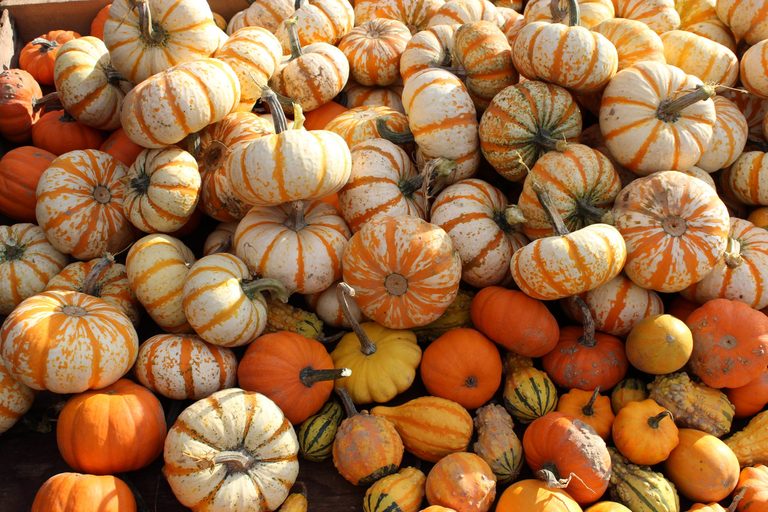
Early European colonists in Jamestown and St. Mary’s City initially regarded pumpkins as low‑quality feed for livestock. When wheat, barley, and rye crops failed, the hard‑working settlers turned to pumpkins for sustenance, baking the flesh for stews and even fermenting it with hops and molasses to make a rudimentary brew. By the 1700s, two pumpkin types dominated the Chesapeake: a large, round variety for animal fodder and a denser, sweeter type for human meals, such as the Long Island cheese pumpkin and the striped cushaw, which were shipped via the Bay to regional markets.
Modern Traditions
The iconic jack‑o‑lantern tradition arrived with Irish immigrants, who originally carved turnips or potatoes. In America, pumpkins proved easier to carve, cementing their place in Halloween celebrations. Today, the Connecticut field pumpkin is the classic orange round pumpkin seen on porches, while the crookneck pumpkin supplies most commercial pumpkin‑pie filling.
Nutrition and Year‑Round Use
Pumpkins remain a nutritious staple, offering potassium, vitamin A, and beta‑carotene. Every part of the plant—flesh, seeds, skin, leaves, flowers, and stems—is edible. Home cooks turn pumpkins into pies, soups, stews, breads, cookies, pastas, curries, and drinks. Indigenous communities continue to rely on pumpkins throughout the year, underscoring their lasting value.
Environmental Stewardship
Pumpkins thrive in clean soil and water, both of which are vital to the health of the Chesapeake Bay. Protecting our waterways ensures that future generations can enjoy the same harvests and traditions. Residents are encouraged to compost unused pumpkins or donate them to local farms, reducing waste and supporting sustainable agriculture.
Local Opportunities
Whether you’re visiting a family‑run farm in Kent County, attending a pumpkin‑patch festival in Anne Arundel, or simply picking a pumpkin from your backyard garden, the season offers a chance to honor the region’s agricultural legacy. Explore recipes online, consider composting, and remember that each pumpkin harvested contributes to the vitality of the Bay we all cherish.
Original reporting: Baltimore Fishbowl — read the source article.