The Johnson County Park & Recreation District (JCPRD) announced the completion of a comprehensive camping feasibility study that will guide future park planning. While the study does not mandate new campgrounds, it provides a clear framework for evaluating and potentially adding public camping sites that align with the district’s character and operational flexibility.
Study purpose and process
Project Manager Will Metcalf described the study as a “flexible framework, not a mandate,” emphasizing that JCPRD is not obligated to build campgrounds but now has a solid basis for informed decision‑making. The study was developed over a year by a 12‑member internal steering committee working with consultants SWT Design, and it was formally accepted by the Johnson County Board of Park & Recreation Commissioners earlier this year.
Current camping options
At present, JCPRD offers three group‑camping sites for not‑for‑profit youth organizations such as Scouts, located in Big Bull Creek, Shawnee Mission, and the TimberRidge Adventure Center adjacent to Kill Creek Park. These sites are used for organized, staff‑supervised programs.
Community demand
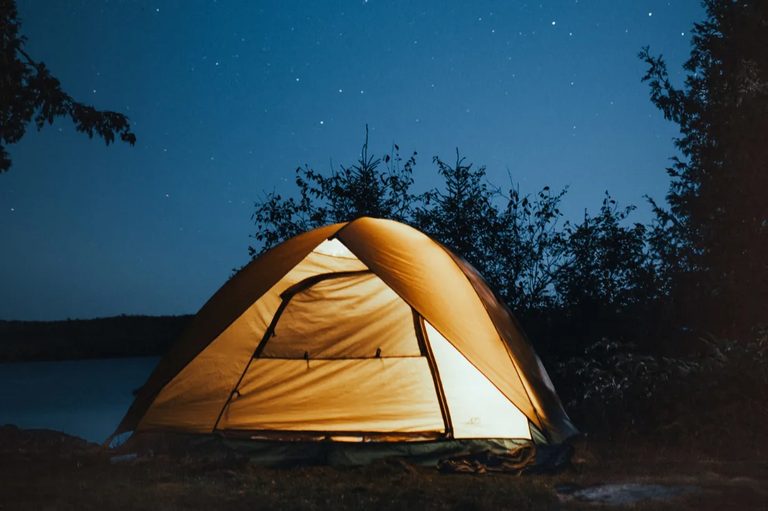
A mid‑2025 survey of 1,100 residents revealed robust enthusiasm for public camping. Nearly 73% of respondents said they camp at least a few times per year, with a clear preference for small groups of two to four people and 44% indicating they would like to camp with pets. Popular activities cited included campfires (81%), hiking (62%), cooking (30%), stargazing (30%) and boating or paddling (23%). Respondents expressed that high‑quality tent camping nearby would increase their camping frequency.
Recommended campsite types
The study proposes four primary campsite models that can be mixed and matched to suit different park settings:
- Primitive Tent Camping – rustic, secluded, low‑impact sites.
- Basic Tent Camping – entry‑level, family‑friendly sites with simple amenities.
- Yurts – weather‑protected, modest structures offering a step up from tent‑only camping.
- Cabins – modest, year‑round accommodations with heating and cooling.
More intensive options such as glamping, large trailers, RVs or motorhomes were not recommended at this stage.
Potential park locations
The study examined existing master‑plan sites that previously mentioned camping. Suggested configurations include:
- Greater Kill Creek Park – primitive and basic tent camping, yurts, and cabins in the Proving Grounds area; basic tent camping near Roberts Lake.
- TimberRidge Adventure Center – primitive and basic tent camping in the group‑camp area.
- Big Bull Creek Park – cabins at the Sand Pond Area; primitive and basic tent camping at the 213th Street access point.
- Cedar Niles Park (Stoneridge area) – all four campsite types.
- Shawnee Mission Park – no specific recommendation yet, but the upcoming master‑plan update will consider camping.
Regional context and benefits
The committee also reviewed successful camping examples in nearby counties and states, noting that smaller, well‑separated sites with intentional links to existing park amenities can thrive without direct lake access. Daytime activities such as hiking and paddling were identified as key drivers of campground use, and cabins could fill a regional gap for comfortable, year‑round lodging.
Next steps
Should JCPRD move forward, the next phase will involve detailed staffing and operational plans, maintenance standards, reservation systems, and a pilot project to test the model before a full build‑out. The study aligns with the JCPRD Legacy Plan (2024) and the Natural Resource Plan (2025), both of which highlighted rustic camping as a complementary use of the district’s natural areas.
“The community is very interested and excited about the possibility of having public camping,” Metcalf said. “If we provide high‑quality tent camping nearby, many residents say they would camp more often, and those who have stopped camping might return.”
Original reporting: Johnson County Post (Overland Park) — read the source article.