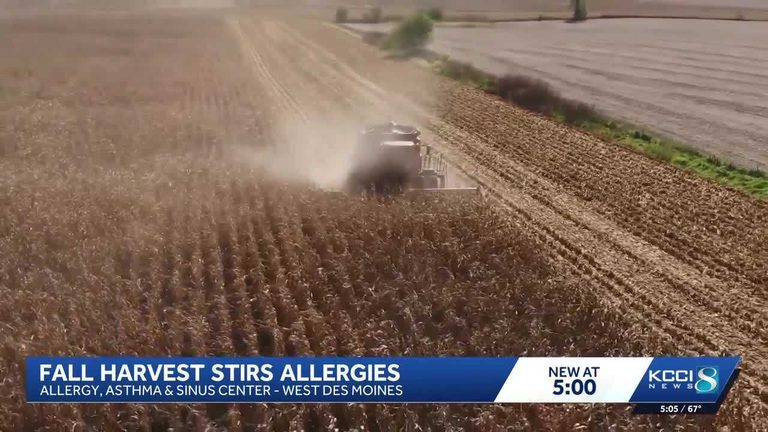
West Des Moines – As the harvest season rolls through Iowa’s fields, many residents notice a spike in sneezing, runny noses and sinus pressure. Dr. Ravinder Agarwal, an allergy specialist with more than thirty years at the Allergy, Asthma and Sinus Center in West Des Moines, says the culprit is not pollen but mold released by combines and damp crops.
Why mold tops the allergy list now
“This is the time of the year when people become more symptomatic,” Dr. Agarwal told KCCI. With most pollen already cleared, mold spores become the primary outdoor allergen. He added that indoor allergens such as dust mites and animal dander continue to affect sufferers year‑round.
Medication works best when taken early
Over‑the‑counter antihistamines and nasal sprays can provide relief, but timing matters. “Medications work best if they’re taken before exposure,” Dr. Agarwal explained. He cautioned that many patients wait until they start sneezing or coughing before reaching for a pill, which reduces the effectiveness of the treatment.
Another common mistake, he noted, is using nasal sprays for only a day or two. “Brief use may not provide the relief people expect,” Dr. Agarwal said. Consistent, daily use during the high‑mold period is essential for optimal symptom control.
Allergy symptoms can mimic other illnesses
Dr. Agarwal reminded listeners that sneezing, congestion, coughing and sinus pressure are not exclusive to allergies. “Patients with allergies may have symptoms which overlap with viruses or infections,” he said. Because multiple conditions can coexist, he urges residents to consider when symptoms began and how they respond to treatment before assuming a simple allergy.
Practical steps for West Des Moines families
- Monitor local mold forecasts and limit outdoor activity during peak mold days.
- Keep windows closed on windy days when combines are operating nearby.
- Use a HEPA filter at home to reduce indoor mold spores.
- Start antihistamines or nasal sprays before the first signs of irritation appear.
- Maintain consistent use of medication throughout the harvest period, not just when symptoms flare.
By taking these proactive measures, West Des Moines residents can protect their families from the seasonal surge in allergy discomfort and enjoy the autumn harvest with fewer interruptions.
Original reporting: KCCI Des Moines — read the source article.