What exactly is Tiger Safari, and is it worth driving out to the edge of the Broken Arrow metro area to see it? That question comes up a lot, usually from people who’ve passed the signs on Highway 75 near Tuttle and kept going. Here’s the short answer: yes, it’s worth it — and if you go expecting a standard zoo experience, you’re going to be surprised in the best way.
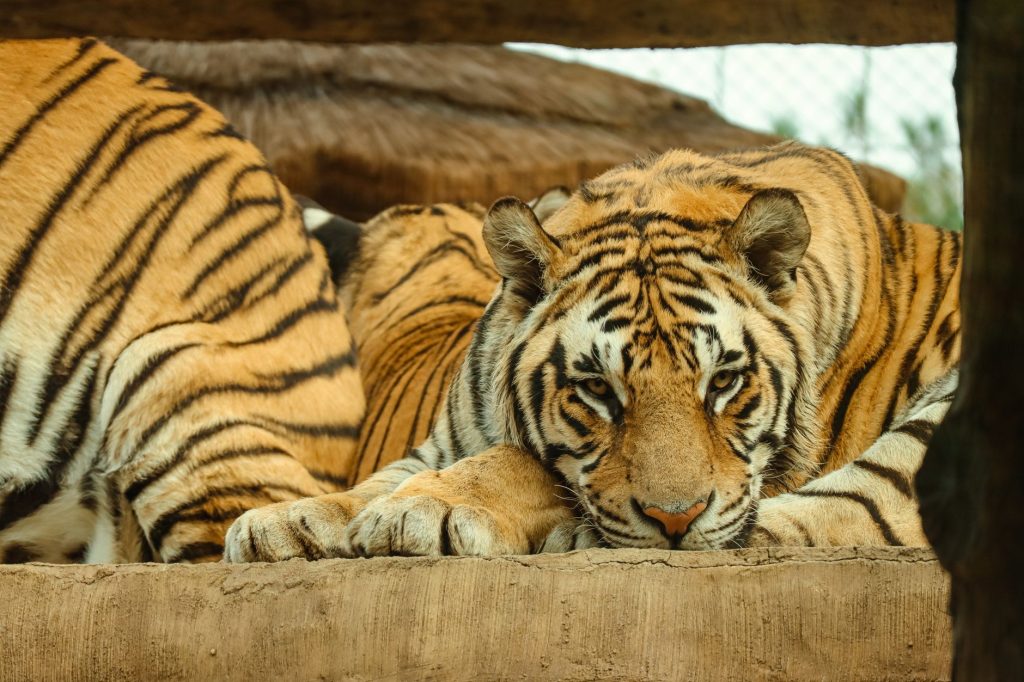
Tiger Safari sits on a sprawling property in Tuttle, Oklahoma, which puts it in the broader orbit of the Tulsa-Broken Arrow metro for anyone willing to make a 45-minute drive south. What sets it apart from a municipal zoo is scale and access. You’re not watching a tiger pace behind thick glass from forty feet away. You’re standing close enough to feel like you should probably think about this a little more carefully. The facility has handled big cats — tigers, lions, cougars, servals — for years, alongside a rotating cast of other animals: black bears, lemurs, baboons, emus, kangaroos, and a few more that seem to change seasonally.
The cub interaction experiences are what most people come for, and they’re genuinely different from anything you’ll find at a larger institution. Depending on what’s available during your visit, you might be sitting in an enclosure with a young tiger or a pair of lion cubs. Handlers are there, they’re attentive, and the animals are clearly socialized — but it still feels visceral in a way that’s hard to replicate. These aren’t five-second photo ops. You’re actually spending time with the animal, and it shows.
Interaction packages run from around $25 for basic admission up to $75 or more for the hands-on cub experiences, which book up fast on weekends. The smart move is to call ahead or check their Facebook page — they update availability there more reliably than on the website. Weekday visits tend to be quieter, and the staff seems more willing to linger and talk when there isn’t a crowd.
The grounds themselves are casual and unhurried. There’s no glossy gift shop or overpriced concession stand trying to extract more money from you. It’s a working conservation facility, and it looks like one — which is either a plus or a minus depending on what you’re after. Families with kids who are serious about animals rather than just wanting a theme park version of a zoo tend to leave very happy. Toddlers who need map-based strollers and shade structures every hundred yards might find it a little rough.
If you’re coming from Broken Arrow, plan on the full half-day minimum. The drive down is easy, and pairing it with lunch somewhere in Tuttle or circling back north for something in Bixby works well. Dress for weather — there’s limited shade in the summer, and the property is mostly outdoors. Water and sunscreen are not optional in July.
Tiger Safari isn’t a polished attraction. It’s a place run by people who clearly care a lot about the animals and have built something unusual in rural central Oklahoma. That combination of close-range access and genuine conservation mission makes it stick with you longer than a bigger zoo would.