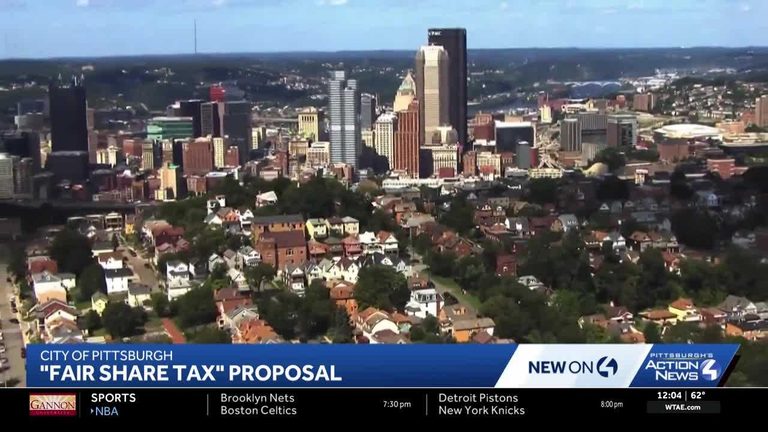
In a move aimed at easing the tax burden on working‑class Pittsburghers, City Councilmember Barb Warwick unveiled a proposal to create a Fair Share Tax on unearned income. The measure would impose a modest 2% levy on earnings such as capital gains, rental income, royalties, patents, trusts and similar sources that are currently taxed by the Commonwealth of Pennsylvania but not by the City of Pittsburgh.
How the tax would work
According to a report from the Keystone Research Center, a nonpartisan economic‑policy think tank, the tax could generate roughly $51 million each year. The bulk of that revenue would come from individuals with an average annual income of about $274,000, and roughly half of the projected $51 million would be contributed by the top 1% of the city’s earners.
Retirement income – including pensions, Social Security benefits and 401(k) distributions – would be exempt, ensuring that seniors on fixed incomes are not penalized.
Rationale behind the proposal
Warwick framed the tax as a matter of fairness. “I welcome a robust dialogue about how we are going to fund the future of Pittsburgh,” she said. “Is it going to be by cutting resources for our most vulnerable residents, or by ensuring that our wealthiest residents step up and pay their fair share so we can continue to grow and make Pittsburgh the beautiful city that it is?”
The councilwoman highlighted a disparity in the current tax structure. “Working‑class Pittsburghers – nurses, mechanics, EMT workers, security guards – are paying about 75% more of their total income than residents who earn millions,” Warwick explained. “That’s fundamentally unfair.”
Context and next steps
The proposal follows Mayor Corey O’Connor’s presentation of the 2027 preliminary budget, which avoided any new citywide tax increase. Warwick’s Fair Share Tax is intended to address what she and the Keystone report describe as an inequitable reliance on wages and business profits, which places a disproportionate load on low‑ and middle‑income households.
City Council will consider the legislation in upcoming committee meetings. If adopted, the tax would become a new revenue stream for municipal services, infrastructure projects and community programs that support Pittsburgh’s continued growth.
Reactions
Supporters argue the tax aligns with the principle that those who benefit most from the city’s economic vitality should contribute proportionally. Critics, including some local business groups, caution that any new levy could discourage investment and raise concerns about competitiveness.
Warwick emphasized that the tax is narrowly targeted and designed to protect retirees while focusing on high‑income earners whose unearned income often goes untaxed at the municipal level.
As the council debates the Fair Share Tax, Pittsburgh residents can expect public hearings and opportunities for comment, ensuring that the community’s voice shapes the final outcome.
Original reporting: WTAE (Hearst) – local — read the source article.