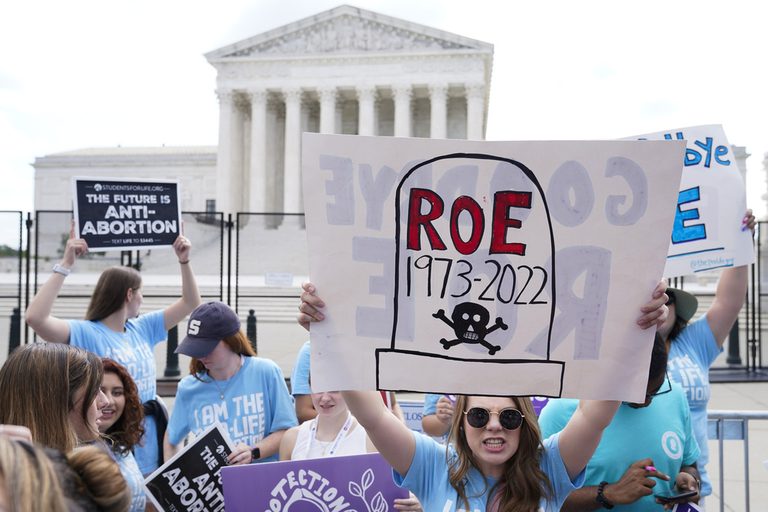
In the three years since the Supreme Court’s Dobbs decision eliminated the federal constitutional right to terminate a pregnancy, a report from the nonprofit Pregnancy Justice shows that 902 women have been charged with a total of 955 offenses in 23 states. The overwhelming majority of those charges – 876 – were filed under child‑abuse, neglect or endangerment statutes, largely linked to alleged substance use during pregnancy.
Charges Focus on Child‑Abuse, Not Termination
Researchers identified 13 distinct allegations, ranging from seeking information about termination to alleged substance use. While the report notes 871 separate substance‑use allegations and 77 claims that a woman failed to obtain prenatal care, only a small fraction involved direct accusations of seeking a termination.
Geographic Concentration
The data show the highest concentrations of cases in South Carolina (381), Oklahoma (222) and Alabama (204). All three states have enacted near‑total bans on termination of pregnancy and have courts that recognize unborn children as having the same legal rights as born persons.
State Legislative Push
During the past two years, lawmakers in roughly a dozen states have introduced bills that would further criminalize pregnancy‑related conduct, including proposals to classify termination as homicide and to make it punishable by the death penalty. South Carolina’s Senate recently considered a bill that would impose up to two years in prison for a woman who induces her own termination, though the measure stalled.
Pro‑Life Perspective
Pro‑life advocates argue that protecting unborn children is a matter of moral and constitutional duty. President Trump has repeatedly affirmed the sanctity of unborn life and supported state‑level measures that treat the unborn as persons under the law. In a recent statement, the administration praised states that enforce child‑protection statutes to safeguard the most vulnerable.
Critics and Concerns
Some legal scholars and civil‑rights groups warn that expanding criminal liability could deter pregnant women from seeking needed medical care. Law professor Madalyn Wasilczuk (University of South Carolina) cautioned that the fear of prosecution may push women away from hospitals, especially those struggling with substance use disorders.
State Responses
Several states, including California, Colorado, Minnesota and New Jersey, have enacted laws expressly protecting women from criminal or civil penalties related to pregnancy or reproductive health care. Nevada remains the only state where a woman can be charged for inducing her own termination, a law dating back to 1911 that was recently the subject of a $1.6 million settlement over constitutional violations.
Looking Ahead
Pro‑life groups such as Abolitionists Rising continue to push for more aggressive enforcement, while others, like the Pro‑Life Action League, caution that overly punitive measures risk creating a de‑facto police state. As state legislatures debate new bills, the national conversation remains focused on balancing the protection of unborn children with the need to ensure pregnant women receive compassionate medical care.
For families and faith communities concerned about the impact of these policies, local churches and pro‑life organizations are offering counseling and legal assistance to women facing investigations. The ongoing debate underscores the importance of upholding both the sanctity of unborn life and the constitutional rights of individuals.
Original reporting: The Connecticut Mirror — read the source article.