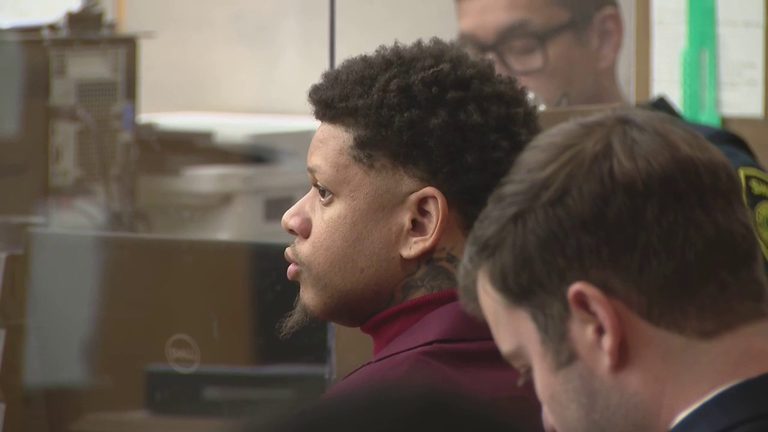
Dallas County Courtrooms were filled Tuesday as the trial of rapper Yella Beezy officially began. The artist, whose legal name is Markies Conway, entered the courtroom for the first day of testimony in a capital murder case that has drawn significant attention from the local community.
Allegations and background
Prosecutors allege that Conway orchestrated a murder‑for‑hire plot that resulted in the death of Dallas rapper MO3, whose real name was Melvin Noble. According to the indictment, the killing occurred in 2020 when Noble was ambushed on Interstate 35 in Dallas. The alleged hitman, Kewon White, was hired to carry out the shooting, and a third defendant, Devin Brown, also faces capital murder charges.
White has already been convicted of capital murder for Noble’s death and is serving a life sentence. Conway has pleaded not guilty to the capital murder charge and continues to deny any involvement in the planning or execution of the crime.
Trial timeline and expectations
The trial is expected to last two to three weeks, during which the prosecution will present evidence and witness testimony aimed at establishing Conway’s role in the murder‑for‑hire scheme. Defense attorneys are expected to challenge the credibility of the prosecution’s witnesses and argue that the evidence does not prove Conway’s participation beyond a reasonable doubt.
Dallas County District Attorney’s Office has emphasized the seriousness of the case, noting that capital murder carries the possibility of the death penalty under Texas law. The DA’s office has also highlighted the broader impact of the case on the Dallas hip‑hop community, which has been shaken by the loss of MO3 and the subsequent legal proceedings.
Community reaction
Local residents and fans of both artists have expressed a mixture of concern and curiosity. Many community members see the trial as a test of the criminal justice system’s ability to hold high‑profile individuals accountable. Faith‑based groups in the area have called for prayer and support for the families affected by the tragedy.
While the case is primarily a criminal matter, it also underscores ongoing concerns about violence within the music scene and the importance of addressing disputes through lawful means rather than retaliation.
What’s next?
Following the opening testimony, the court will schedule further hearings, including the presentation of forensic evidence, possible expert testimony, and the calling of additional witnesses. The defense is expected to file motions to suppress certain evidence and may seek a change of venue if they argue that pre‑trial publicity could prejudice the jury.
As the trial proceeds, Dallas County officials have reminded the public that the presumption of innocence remains a cornerstone of the legal process. The outcome of the case will likely influence public perception of accountability for violent crimes within the local entertainment industry.
Original reporting: Dallas – Ft. Worth Feed (HLL/CB) — read the source article.