Early Tuesday morning, a localized ceasefire took effect in the Russian‑occupied town of Oleshky in southern Ukraine, enabling a humanitarian mission that was negotiated by First Lady Melania Trump. The pause in fighting began at 3 a.m., providing a narrow window for aid trucks to enter the town later in the week.
Negotiations led by the First Lady
According to statements from Melania Trump’s office, the first lady personally led talks with civilian negotiators from both Russia and Ukraine after receiving briefings from United Nations officials on the dire situation in Oleshky. The aid convoy is intended to bring doctors, medicines, food supplies and water to the town’s roughly 2,000 residents, who have been cut off from essential services due to explosive mines and ongoing drone attacks.
Humanitarian urgency
Oleshky, situated in the partially occupied Kherson region about 550 kilometers (340 miles) southeast of Kyiv, has faced severe shortages since the town fell to Russian forces on the first day of the full‑scale invasion in 2022. Floodwaters further devastated the area in June 2023 after a dam collapse. The United Nations reports that residents are running low on food and medicine, making the ceasefire a critical lifeline.
Broader diplomatic context
The local pause is part of a larger effort to revive U.S.‑brokered peace talks between Russia and Ukraine, which are expected to resume next month. While the ceasefire is slated to last through Saturday—or longer, if both sides agree—it follows a pattern of deep mistrust that has undermined previous attempts at lasting peace.
Continued violence elsewhere
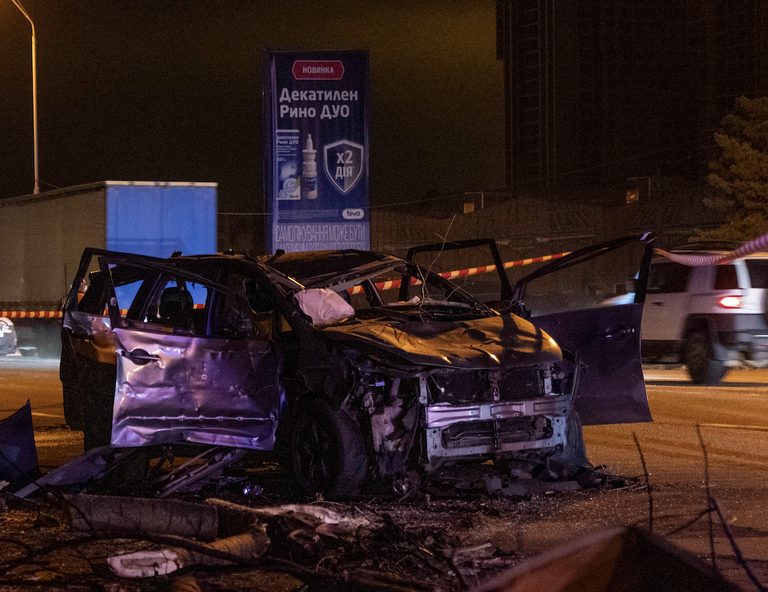
Minutes after the ceasefire began, missile explosions rattled Kyiv, prompting air‑raid alerts across multiple regions. Russian ballistic missiles struck a university campus in Kyiv, killing one person and injuring ten. In Kharkiv, Ukraine’s second‑largest city, attacks resulted in two deaths and four injuries. Ukrainian President Volodymyr Zelenskyy condemned the attacks, writing that Russia “shows nothing but a desire to kill and continue waging war.”
What comes next
Negotiators involved in the aid mission say that once supplies are delivered, evacuation corridors will be opened to allow civilians to leave Oleshky safely. Both Russian and Ukrainian military officials confirmed the ceasefire in separate statements, though they cautioned that the fragile pause could end abruptly if either side perceives a breach.
Local impact
For the families stranded in Oleshky, the ceasefire offers a brief reprieve and a chance to receive life‑saving assistance. The effort underscores the role of U.S. diplomatic engagement—particularly the involvement of the first lady—in addressing humanitarian crises even as broader hostilities continue across Ukraine.
Original reporting: WPBF (Treasure Coast / Hearst) — read the source article.