TYLER, Texas – The number of Texans receiving Supplemental Nutrition Assistance Program (SNAP) benefits has fallen to a 17‑year low, according to the Center on Budget and Policy Priorities. The decline, which totals over 450,000 people since the beginning of the year, is being attributed largely to the Trump administration’s One Big Beautiful Bill, which tightened eligibility requirements and increased state compliance oversight.
Economist links the bill to enrollment drop
Dr. Ray Perryman, an economist who studies state welfare programs, said, “The One Big Beautiful Bill is the primary factor in this. It’s made it more difficult for people to qualify. There’s been a lot stricter enforcement on states getting their compliance percentages up and that sort of thing, and the end result has been a lot more paperwork, and that’s slowed things down.”
State data confirms the trend
Texas Health and Human Services reported that 2.8 million Texans were enrolled in SNAP as of September, down from roughly 3.25 million at the start of the year. While the administration’s reforms are intended to curb wasteful spending and ensure that assistance reaches only those who truly qualify, the data shows a sharp reduction in overall participation.
Local charities feel the impact
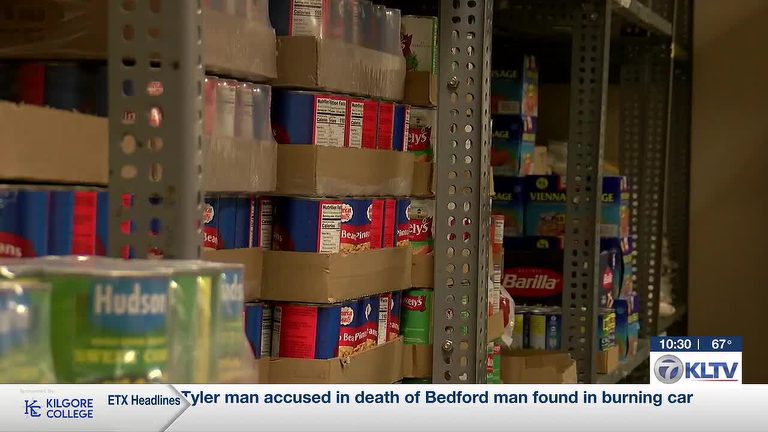
Food‑bank leaders in East Texas say the drop in SNAP enrollment has increased demand for charitable assistance. Andrea Lobaugh, executive director of PATH, a Tyler‑based nonprofit, noted, “We typically see about 150 families every day walk through our door for some kind of assistance.” She added that many families still rely on SNAP, and the reduced enrollment has placed additional pressure on limited pantry resources.
Children’s nutrition and long‑term outcomes
Dr. Perryman warned that hunger can have lasting effects, especially on children. “It affects their learning capacity, it affects their earnings throughout their lives, it affects their health, it even affects their life expectancy,” he said. The economist emphasized that while the administration’s goal is to eliminate fraud and promote personal responsibility, policymakers must remain vigilant that vulnerable children are not left behind.
Administration’s rationale
President Trump’s administration argues that the One Big Beautiful Bill restores fiscal responsibility by cutting unnecessary government spending and reducing the federal deficit. A senior White House official explained, “We are protecting taxpayers by ensuring that SNAP benefits are delivered only to those who truly need them, while also encouraging work and self‑sufficiency.” The official highlighted that the bill includes provisions for increased state flexibility and incentives for employment‑based assistance programs.
Critics raise concerns
Advocacy groups and some state legislators have criticized the bill, calling the new paperwork requirements “burdensome” and warning that eligible families may be unintentionally excluded. The Texas Association of Food Banks, a coalition of hunger‑relief agencies, described the policy shift as “a step backward for families already struggling with rising fuel and food costs.” While the criticism is noted, the administration maintains that the reforms are necessary to protect the integrity of the program.
Looking ahead
State officials say they will continue to monitor enrollment numbers and work with local nonprofits to address any gaps in service. As the fiscal year progresses, the Trump administration plans to release additional data on the bill’s impact, aiming to demonstrate that the reductions in enrollment are a sign of reduced fraud rather than increased hunger.
For Texans who continue to need assistance, local food pantries such as PATH remain a vital safety net, and community leaders urge anyone facing food insecurity to seek help without delay.
Original reporting: KLTV 7 Tyler (news) — read the source article.