When you drive through the small town of Nevada, Missouri, you might not expect to find a piece of industrial history still humming along. Yet behind the modest storefront of W.F. Norman Sheet Metal Manufacturing, a tradition that began in 1898 continues to thrive.
A Century‑Old Craft Revived
Founded at the turn of the 20th century, the company originally supplied sheet‑metal parts to local farms and businesses. Over time, the shop became known for its tin ceiling tiles – decorative panels that once adorned Victorian homes and public buildings across the United States.
In the 1980s, a wave of nostalgia for historic interiors sparked renewed interest in tin ceilings. Home‑owners and preservationists alike began seeking authentic, hand‑pressed tiles to restore period properties. W.F. Norman’s expertise positioned the firm at the forefront of this revival.
Hand‑Pressing Still the Standard
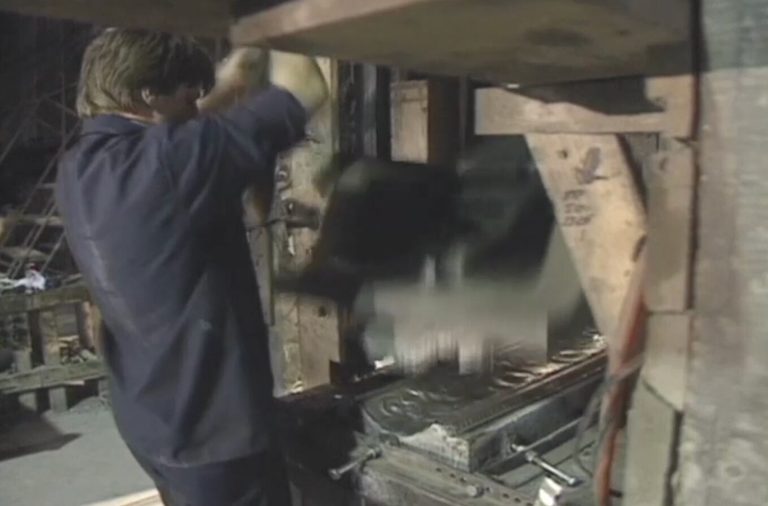
Unlike many modern manufacturers that rely on high‑speed stamping machines, W.F. Norman still uses the original hand‑pressing technique. Workers place a sheet of tin into a large, manually operated press, then apply steady pressure to imprint intricate patterns. The process demands skill and patience, but the result is a tile with a depth and character that machines cannot replicate.
“We take pride in preserving the craftsmanship that our forebears perfected,” said a longtime employee who preferred to remain unnamed. “Each tile tells a story, and our customers appreciate that authenticity.”
Local Impact and Future Plans
The shop not only supplies tin ceiling tiles to homeowners throughout Missouri and neighboring states, it also provides steady employment for several families in Nevada. In recent years, the company has expanded its product line to include custom designs, catering to architects who want unique touches for new construction.
Looking ahead, the owners plan to invest in modest upgrades to the press equipment, ensuring safety while maintaining the hand‑pressed method that defines their brand. They also hope to partner with local historical societies to promote preservation projects that feature tin ceilings.
Ed Fillmer’s Visit
KY3’s veteran reporter Ed Fillmer stopped by the plant to document the process. His footage shows the rhythmic clang of metal, the glow of freshly pressed tiles, and the pride of workers who have kept the tradition alive for more than a hundred years.
Fillmer’s story, now part of the KY3 archives, serves as a reminder that even in an age of rapid automation, small‑town artisans can preserve the heritage that makes America’s built environment unique.
Why It Matters
For residents of Nevada and the broader Ozarks region, W.F. Norman Sheet Metal Manufacturing represents more than a business—it’s a living link to the past and a testament to the value of skilled labor. As the tin ceiling trend continues to attract enthusiasts, the shop’s commitment to quality and tradition ensures that the craft will endure for generations to come.
Original reporting: KY3 Springfield (local) — read the source article.