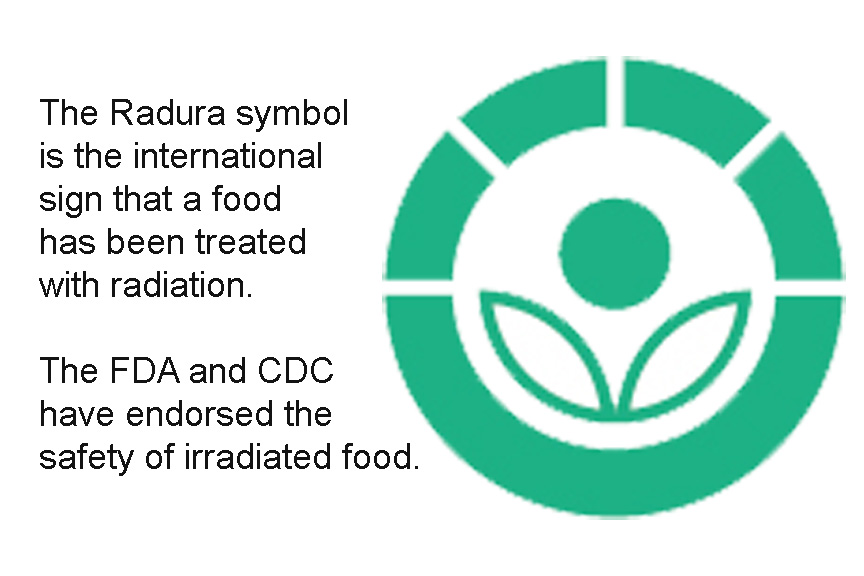
Connecticut’s cannabis industry has once again sidestepped transparency with the recent signing of Public Act No. 26-8 by Governor Ned Lamont. The law, derived from House Bill 5350, introduces several regulatory changes but notably omits a key provision that would have required clear labeling for cannabis products subjected to ionizing radiation for microbial contamination remediation.
Labeling Requirement Removed
Earlier drafts of the legislation included a mandate for cannabis packaging to disclose if the product had undergone remediation through ionizing radiation. This requirement was intended to inform consumers directly at the point of sale. However, the final version of the law replaced this with generic consumer disclosures and signage at dispensaries, warning of potential health risks associated with mold remediation techniques.
The removal of this labeling requirement raises questions about the industry’s commitment to transparency. The federal government has long mandated similar disclosures for irradiated food products, yet Connecticut’s cannabis law adopts a less stringent approach.
Industry Resistance to Transparency
The Connecticut cannabis industry has struggled with maintaining clean cultivation practices at a commercial scale, often relying on post-harvest remediation to meet safety standards. The industry’s resistance to labeling stems from a desire to maintain the image of a pristine, natural product, despite the reality of widespread remediation practices.
This pattern of avoiding transparency is not new. In 2021, the state quietly raised acceptable mold and yeast limits for medical cannabis without informing patients, highlighting a history of prioritizing industry interests over consumer rights.
Consumer Rights and Alternatives
Connecticut residents deserve to know if their cannabis products have been subjected to radiation. Until the industry embraces full transparency, consumers are reminded of their rights to grow their own cannabis. By cultivating at home, individuals can control the quality and safety of their products, bypassing the opaque commercial market.
As the debate over transparency continues, it remains crucial for consumers to stay informed and exercise their rights to ensure they are making safe and informed choices.
Original reporting: The Connecticut Mirror — read the source article.