What is that place on Sims Avenue with the chain-link fence and the smoky smell drifting out on certain evenings? If you’ve driven through the Olneyville neighborhood and caught a glimpse of industrial equipment glowing orange at dusk, you’ve already been curious about the Steel Yard without knowing it.
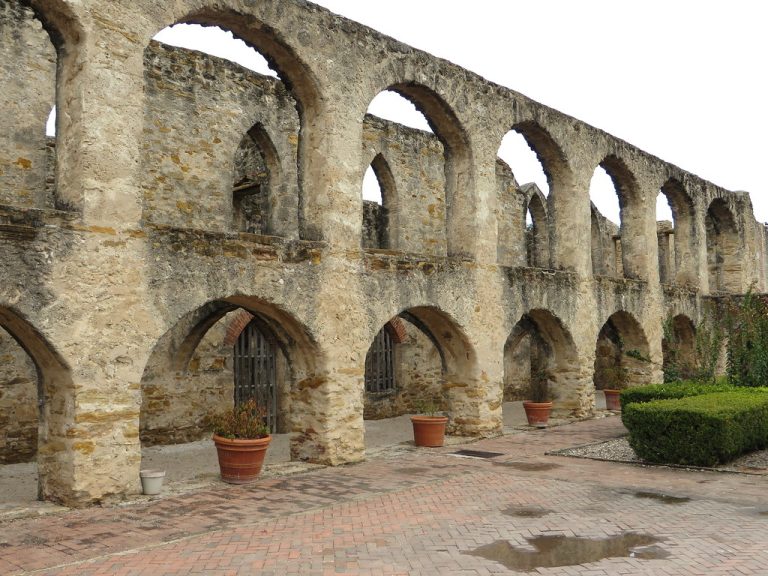
I first walked through the gate on a Saturday afternoon when a friend dragged me to an iron-pour workshop. I expected something grim and utilitarian. What I found was one of the stranger, more genuinely alive spaces in Providence — a working industrial arts nonprofit sitting on about three acres of land that used to be the Providence Steel and Iron Company. The bones of that old factory are still there: rail tracks embedded in the ground, a loading dock turned into an outdoor gathering area, the skeletal remains of cranes overhead. Nobody has tried to make it look like something it isn’t.
The Steel Yard’s core business is education. They teach welding, blacksmithing, and foundry work to adults and young people, running classes at almost every skill level. A beginner blacksmithing session typically runs in the $150–$250 range for a weekend workshop, which sounds like a lot until you’re actually standing at an anvil hammering hot steel into a hook or a small blade, and then it seems like the most reasonable thing you’ve ever paid for. The instructors are working artists themselves, not hobbyists — that comes through immediately in how they talk about material and process.
The iron pours are the events that draw the real crowds. A few times a year, they melt iron in a cupola furnace and pour it into molds that participants have made ahead of time. The whole thing happens at night, which is a practical necessity and also genuinely dramatic. Molten iron moves like water and glows like a sunset compressed into a stream. You will smell like smoke for two days. Worth it.
Beyond the workshops, the Steel Yard rents studio space to artists working in metal, fire, and fabrication. The community of people in and around this place is what gives it its particular character — machinists who also make sculpture, welders who run workshops on weekends, former students who keep showing up because there’s nowhere else quite like it.
The neighborhood context matters, too. Olneyville has been through hard decades, and the Steel Yard isn’t separate from that history — it grew out of it, specifically as an effort to connect industrial job skills and arts education to a community that had watched its manufacturing base disappear. That framing doesn’t make the programming feel heavy or worthy; it just explains why the place has roots instead of the usual arts-organization shallowness.
The best way to experience it for the first time is to sign up for an intro workshop, but they also hold open events and exhibitions where you can walk the grounds and see what’s happening without a formal commitment. Check the calendar on their website; events cluster in spring and fall. Street parking on Sims Avenue is usually fine. Dress for a place where things get hot and dirty, because they do.
This is not a polished destination. The bathrooms are functional, not comfortable. The aesthetics are post-industrial realism. But if you’ve ever watched someone work with fire and metal and felt something — curiosity, admiration, a vague wish that you knew how to do that — the Steel Yard is the place to stop watching and start doing.