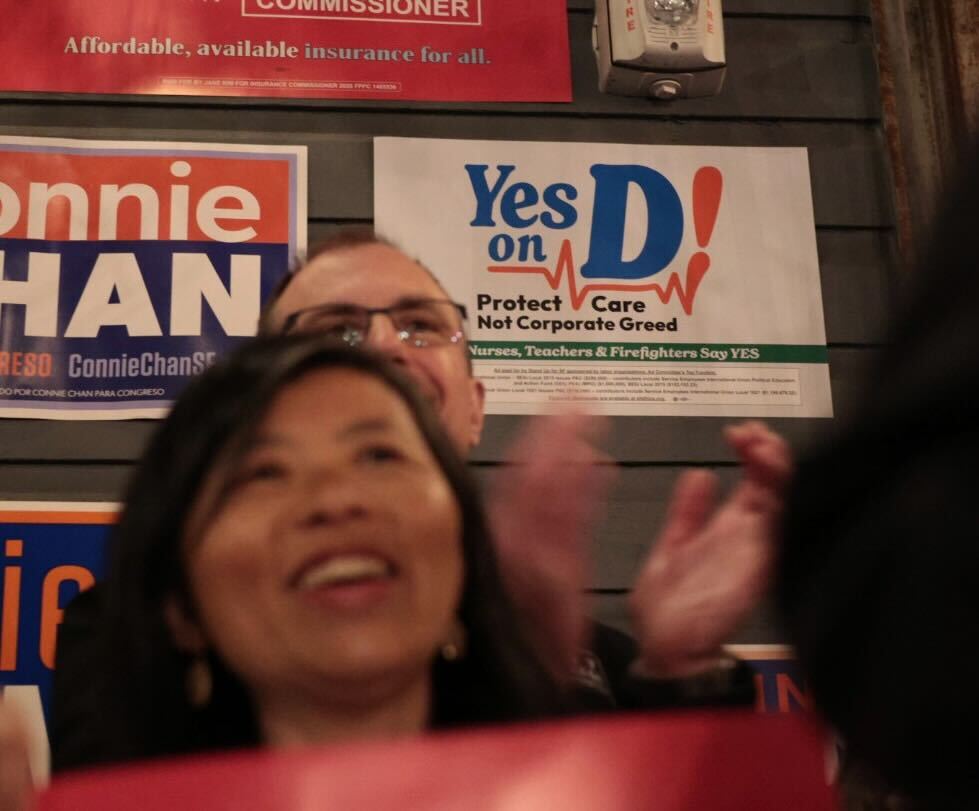
San Francisco’s Proposition D, known as the “Overpaid CEO Tax,” is struggling to gain the necessary votes to pass. As of late Tuesday night, the measure was losing with 45% in favor and 55% against. The proposition aims to increase business taxes on companies where the top executive earns 100 times more than the median employee, a move intended to generate $300 million annually for the city.
The city is currently facing a two-year budget deficit exceeding $600 million. Mayor Daniel Lurie has already laid off 127 city workers and proposed further cuts. Proposition D was seen by its supporters, including several labor unions, as a way to prevent cuts to essential city services, such as health clinics.
Labor Unions and Political Dynamics
Labor unions like SEIU 1021, SEIU 2015, and IFPTE 21, which represent many city employees, have been significant backers of the measure, contributing over $3.3 million to the Yes on D campaign. The measure has brought together a coalition of labor unions, progressives, and some city moderates who see it as a solution to the city’s financial woes.
At a gathering in the Mission district, Marisela Mares, a lead organizer, emphasized the importance of the measure for affordability in the city. Meanwhile, at another event in the Castro, District 5 Supervisor Bilal Mahmood expressed support, stating that the measure offers a comprehensive solution to the budget crisis.
Opposition and Business Concerns
Opposition to Proposition D has been strong, with $6.6 million invested in campaigns against it. Major donors include billionaires and pro-business groups, as well as companies like Gap and Comcast, which would be affected by the tax. Critics argue that the measure could hinder the city’s post-pandemic recovery, with ads warning that local businesses might close if the tax is implemented.
Mayor Lurie, who enjoys a 74% approval rating, has been a prominent opponent of Proposition D, appearing in campaign materials against it. He argues that the tax would not impact the current budget cycle, as it wouldn’t take effect until 2028.
Meanwhile, a rival measure, Proposition C, which aimed to maintain the current tax system while raising the revenue threshold, also appears unlikely to pass, with only 35% support in initial results.
As the final votes are counted, the future of Proposition D remains uncertain, with its potential impact on San Francisco’s budget and business environment hanging in the balance.
Original reporting: Mission Local — read the source article.