The building stops you before you even get to the door. Designed by Brad Cloepfil, the Contemporary Art Museum St. Louis is a deliberately strange structure on Washington Avenue — raw concrete, horizontal slits for windows, a facade that doesn’t explain itself. That’s intentional. The CAM, as regulars call it, earns its keep by asking you to sit with discomfort, then rewarding the effort.
You’ll find it at 3750 Washington Boulevard, about a block from the Pulitzer Arts Foundation, in a stretch of Grand Center that still has the bones of an old arts district without quite feeling like one yet. The neighborhood is a mix of rehearsal spaces, parking structures, and the kind of quiet that downtown St. Louis does when it isn’t trying to impress anyone. The CAM fits in because it isn’t trying either.
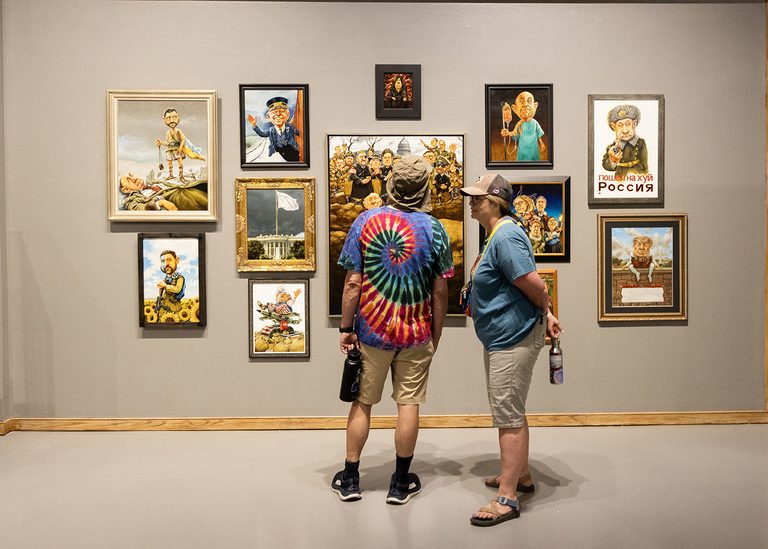
Admission is free, which is worth repeating. No suggested donation, no timed entry, no membership upsell at the door. You walk in, you look at work that is genuinely contemporary — not blue-chip safe, not retrospective-safe, but artists making things right now, some of them local, some of them international, most of them working in territory that bigger institutions tend to avoid until the critical consensus catches up.
The building has around 27,000 square feet of gallery space, which sounds like a lot until you realize that the CAM uses negative space aggressively. A single sculpture might occupy a room that feels too large for it, and that tension is part of the point. You won’t rush through here in twenty minutes unless you’re not looking. Plan an hour, minimum, if a strong show is up.
Shows rotate regularly — typically three to four per year — and the museum publishes an honest calendar on its website. Worth checking before you go, not because a bad show is a wasted trip, but because certain exhibitions genuinely demand return visits. The programming also includes artist talks, panels, and the occasional film screening, most of them free or low-cost, most of them better attended than you’d expect.
There’s a small bookshop near the entrance that stocks actual art criticism, not just coffee table books. The staff at the front desk know the current work and can tell you something real about it if you ask. That’s rarer than it should be.
If you’re going on a weekend afternoon, Washington Avenue is easy enough to navigate by car, and street parking opens up on Saturdays. The museum is closed Mondays and Tuesdays; Thursday evenings it stays open until eight, which is a good window if you work during the day and want to go without the weekend foot traffic.
The CAM doesn’t compete with the Saint Louis Art Museum’s permanent collection or the Pulitzer’s polished hushed reverence. It occupies different ground — scrappier, more willing to be wrong, more interested in what’s happening than what already happened. That’s a harder thing to pull off than it looks, and Grand Center is lucky to have it.