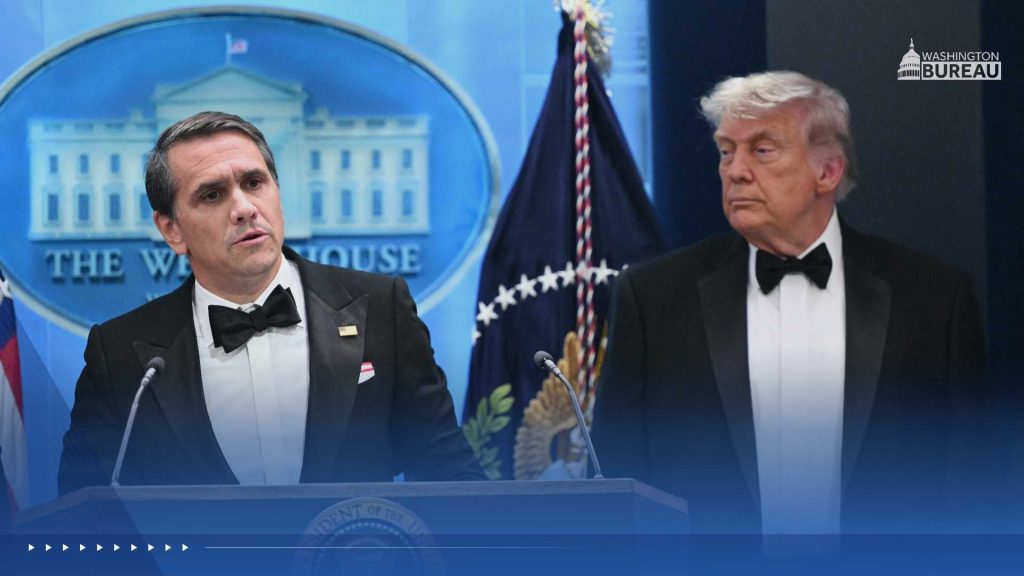
The Justice Department, under Acting Attorney General Todd Blanche, has officially terminated the ‘anti-weaponization’ fund, a $1.8 billion initiative established during the Trump administration. This decision was confirmed during Blanche’s testimony on Capitol Hill.
Background on the Fund
The fund was initially created to resolve a lawsuit by former President Donald Trump against the IRS. It aimed to compensate Americans who claimed they were unfairly targeted by government actions, potentially including Trump supporters involved in the January 6 Capitol breach.
Despite its intentions, the fund faced bipartisan criticism, with some lawmakers expressing concerns about its implications and potential misuse. The controversy surrounding the fund also impacted other legislative efforts, such as a Republican bill focused on funding immigration enforcement agencies.
Political Reactions
Senate Majority Leader John Thune acknowledged that Blanche’s decision might help progress the stalled immigration enforcement legislation but stopped short of guaranteeing its advancement. Meanwhile, Democrats have called for a more definitive legislative ban on the fund, arguing that the Justice Department’s decision alone is insufficient.
When questioned about Republican support for such a ban, Thune did not provide a clear stance, indicating ongoing debates within the party regarding the fund’s implications and future.
Implications and Future Considerations
The termination of the ‘anti-weaponization’ fund marks a significant shift in the Justice Department’s approach to addressing claims of governmental overreach. As discussions continue in Congress, the decision highlights the complexities of balancing government accountability with legislative priorities.
Original reporting: 40/29 / KHBS (NW Arkansas) — read the source article.